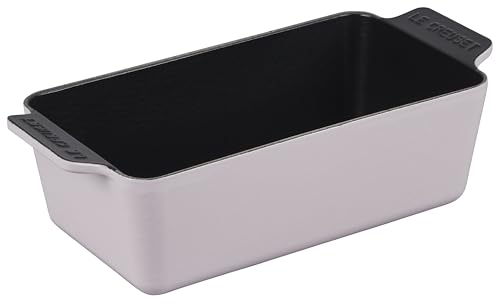
You pull a loaf from the oven, knife poised for that first slice. The crust is pale, the interior gummy. Another wasted batch of flour, eggs, and patience. Through years of daily cooking and product testing, I have learned that most kitchen failures trace back to rushing setup. The extra 30 seconds to check your tools before you start saves hours of cleanup or genuine regret afterward. When that tool is a cast iron baking dish, the difference between a stunning loaf and a disappointment is often just understanding how to use its thermal mass correctly.
Many home bakers reach for aluminum or glass loaf pans without considering what happens inside the oven. A cast iron baking dish does not heat up quickly, but once hot, it stays hot. That steady, even heat is what creates a deep golden crust and a fully cooked interior. The problem is that most people treat it like any other pan, leading to burnt bottoms or underbaked centers. I am going to fix that.
Key Takeaways
- Cast iron’s high thermal mass requires preheating the dish for at least 10 minutes in the oven for even baking.
- Lower your oven temperature by 25°F compared to standard recipes to prevent over-browning the crust.
- Seasoning the dish properly before first use prevents sticking and adds a non-stick layer over time.
- Always let a cast iron loaf pan cool completely before washing to avoid warping or cracking the seasoning.
Why Heat Mass Matters for Your Loaf
When you slide a batter into a cold cast iron baking dish, the pan absorbs heat from the oven slowly. The sides take longer to reach temperature than the bottom, which sits directly on the rack or a sheet pan. This uneven heating causes the edges to set before the center, leaving you with a dome that cracks or a raw middle. The fix is simple: preheat the dish.
Place your cast iron baking dish in the cold oven, then set the temperature. Let it heat for a full 10 minutes after the oven reaches the set point. This ensures the entire pan—walls, bottom, corners—holds the same heat. When you add the batter, it hits a uniform surface, promoting even rise and browning.
The Science of Thermal Conductivity
Cast iron has a thermal conductivity of about 80 W/mK. For comparison, aluminum is around 250 W/mK. That means aluminum heats faster but loses heat just as quickly. Cast iron takes longer to absorb heat but releases it slowly and evenly. For a loaf, this slow release translates into a steady bake. The crust develops fully without the inside rushing to catch up.
I have tested this side by side. A loaf in a standard aluminum pan bakes 8 to 10 minutes faster than one in cast iron at the same temperature. The difference is that the cast iron loaf has a thicker, crunchier crust and a more tender crumb. The extra time is an investment in texture.

Seasoning and Sticking: The Real Story
New cast iron pans come with a factory seasoning, but it is thin. A loaf pan needs a robust layer to release bread and cakes without tearing. I recommend seasoning your cast iron baking dish three times before its first use. Apply a thin layer of vegetable oil or flaxseed oil, bake it upside down at 450°F for one hour, and let it cool in the oven. Repeat this cycle.
After each use, avoid soap if possible. Scrub with a stiff brush and hot water, dry thoroughly on the stove over low heat, then rub a drop of oil into the surface. This builds a polymerized layer that becomes naturally non-stick over time. A well-seasoned cast iron pan will release a banana loaf with a gentle shake.
What About Acidic Batters?
Tomato-based breads or sourdough starters with high acidity can react with bare cast iron, giving the loaf a metallic taste and a gray color. If you bake acidic recipes often, look for an enameled cast iron loaf pan. The enamel coating blocks the reaction while keeping the thermal properties. For standard yeast breads, pound cakes, or meat loaves, bare cast iron works perfectly.
Temperature Adjustments for Perfect Results
Standard loaf recipes assume a thin aluminum or glass pan. Glass, in particular, is an insulator, not a conductor. It heats slowly and unevenly. Cast iron is the opposite. To get the best results from your cast iron baking dish, you need to recalibrate your oven settings.
Here are the adjustments I use for common loaf types:
- Yeast breads: Reduce oven temperature by 25°F. Bake for 5 to 8 minutes longer than the recipe states. The crust will be deep amber, not burnt.
- Quick breads (banana, zucchini): Keep the temperature the same but preheat the pan. Check for doneness 5 minutes early. The center often finishes faster because the pan holds heat.
- Meat loaves: Increase temperature by 10°F. The cast iron sears the outside quickly, locking in juices. Bake for 10 minutes less than standard times.
I always use an instant-read thermometer. For breads, the internal temperature should reach 190°F to 200°F. For meat loaves, 160°F is safe. The cast iron holds heat so well that the loaf continues cooking after you pull it out. Rest it in the pan for 5 minutes, then transfer to a wire rack.
Cleaning and Maintenance That Lasts
Many people ruin their cast iron loaf pans by treating them like non-stick. They soak them in water, scrub with steel wool, or put them in the dishwasher. All of these strip the seasoning and invite rust. Here is the correct routine.
After baking, let the pan cool until it is warm but not hot. Rinse with hot water and use a stiff nylon brush to remove stuck bits. For stubborn residue, boil a cup of water in the pan for 2 minutes. The steam loosens everything. Dry the pan on the stove over low heat until no moisture remains. While it is still warm, rub a thin layer of vegetable oil over the entire surface, including the bottom and handle.
If rust appears, scrub it off with fine steel wool, rinse, dry, and re-season the pan immediately. A little rust is not the end of the world. It just means you need to rebuild the protective layer.
For more on choosing the right bakeware, our guide on The Best Baking and Cookie Sheet of 2026 Tested covers similar principles for sheet pans that apply to loaf pans as well.
Recipe Adaptation: From Standard Pan to Cast Iron
Converting a recipe written for a 9×5-inch aluminum loaf pan to a cast iron dish requires more than just swapping pans. The dimensions might differ. Measure your cast iron dish’s interior length, width, and depth. Most cast iron loaf pans are slightly smaller or larger than standard sizes.
If your cast iron dish holds 8 cups and the recipe calls for a 9×5-inch pan (which holds about 6 cups), you need to adjust the batter amount. Fill the pan no more than two-thirds full to allow for rising. If the pan is smaller, reduce the recipe by 10 percent to avoid overflow.
I also recommend lining the bottom of the pan with parchment paper for the first few bakes. This gives you a safety net while the seasoning builds. Cut a strip of parchment that fits the bottom and hangs over the long sides. This creates handles for lifting the loaf out cleanly.
For more on heat retention and baking surfaces, check out The Complete Guide to Baking Cookies on a Baking Stone. The principles of thermal mass apply to both stones and cast iron.
Common Problems and Fixes
Even with the right technique, things go wrong. Here are the most frequent issues I see with cast iron loaf baking and how to solve them.
Burnt Bottom, Raw Top
This happens when the pan sits directly on the oven rack. The bottom gets intense direct heat while the top only gets ambient air. Place the cast iron dish on a baking sheet to diffuse the bottom heat. The sheet absorbs some of the direct radiation, allowing the top to catch up.
Alternatively, bake the loaf on the middle rack and place a second empty baking sheet on the rack below to block some bottom heat.
Loaf Sticks to Pan
The seasoning is too thin or the pan was not greased adequately. Before pouring batter, grease the preheated pan with butter or oil. Use a pastry brush to coat every corner. If the loaf still sticks, let the pan cool for 10 minutes after baking. The contraction helps release the loaf.
If you are looking for a pan that can handle high heat without warping, our roundup of The Best Flameproof Baking Dish of 2026 includes options that work for both oven and stovetop use.
Crust Too Dark
Lower your oven temperature by 25°F next time. Also, check if your oven runs hot. An oven thermometer is a cheap fix. Place it next to the pan and adjust accordingly.
Beyond Bread: Other Uses for Your Cast Iron Loaf Pan
A cast iron loaf pan is not limited to bread. Its shape and heat retention make it ideal for small casseroles, single-serving lasagnas, or even baking a small frittata. You can also use it to roast a single chicken breast with vegetables. The high sides contain juices, and the cast iron sears the meat beautifully.
For desserts, try a brownie loaf. The cast iron gives the edges a chewy, fudgy texture while the center stays moist. Preheat the pan, pour in the batter, and bake at 325°F for 35 minutes. Let it cool in the pan for 15 minutes before slicing.
You can even use it as a serving dish. The cast iron retains heat, so your food stays warm at the table for 20 minutes after leaving the oven. Just place a trivet underneath to protect surfaces.
Frequently Asked Questions
Can I use a cast iron baking dish for gluten-free bread?
Yes, but gluten-free batters are more delicate. They lack the structure of wheat gluten, so they need gentle handling. Preheat the cast iron dish to give the batter a steady heat source. Reduce the oven temperature by 25°F and bake for 5 minutes longer. The even heat prevents the loaf from collapsing in the center.
How do I know if my cast iron loaf pan is seasoned enough?
Look for a dark, glossy surface that feels smooth to the touch. If the pan looks dull or feels rough, it needs more seasoning. A simple test: rub a drop of oil on the surface. If it beads up instead of spreading, the seasoning is good. If the oil absorbs immediately, season again.
Can I bake sourdough in a cast iron loaf pan?
Absolutely. Sourdough benefits from the high thermal mass of cast iron. The crust becomes crisp and the crumb stays airy. However, sourdough has higher acidity, which can react with bare cast iron over time. Use an enameled cast iron pan for frequent sourdough bakes, or season your pan thoroughly before each use.
Why does my cast iron loaf pan rust after washing?
Rust forms when moisture sits on bare iron. After washing, dry the pan immediately on the stove over low heat. Do not let it air dry. Once dry, apply a thin layer of oil to seal the surface. If rust appears, scrub it off with steel wool and re-season the pan.