


What is the real difference between a chef’s knife, a cleaver, and a paring knife when it comes to edge durability and food safety on different cutting board surfaces? This is more than trivia—your tool choices and setup have a lasting impact. Through years of daily cooking and rigorous product testing, I’ve learned that taking an extra 30 seconds to check both your knives and boards before starting saves hours of frustration, cleanup, and even accidental blade damage. Understanding how the various styles of knives interact with board materials is at the heart of safer, sharper, and more satisfying kitchen work.
Key Takeaways
- Certain styles of knives retain sharpness longer on end-grain wood boards due to reduced edge impact.
- Bamboo and polymer boards offer high bacteria resistance, but differ in their effect on knife wear and board warping.
- Regular board maintenance—paired with the right knife—prolongs both edge life and food safety.
How Knife Styles Differ — The Science Behind the Shape
Why the Variety? Picking the Right Tool for Each Task
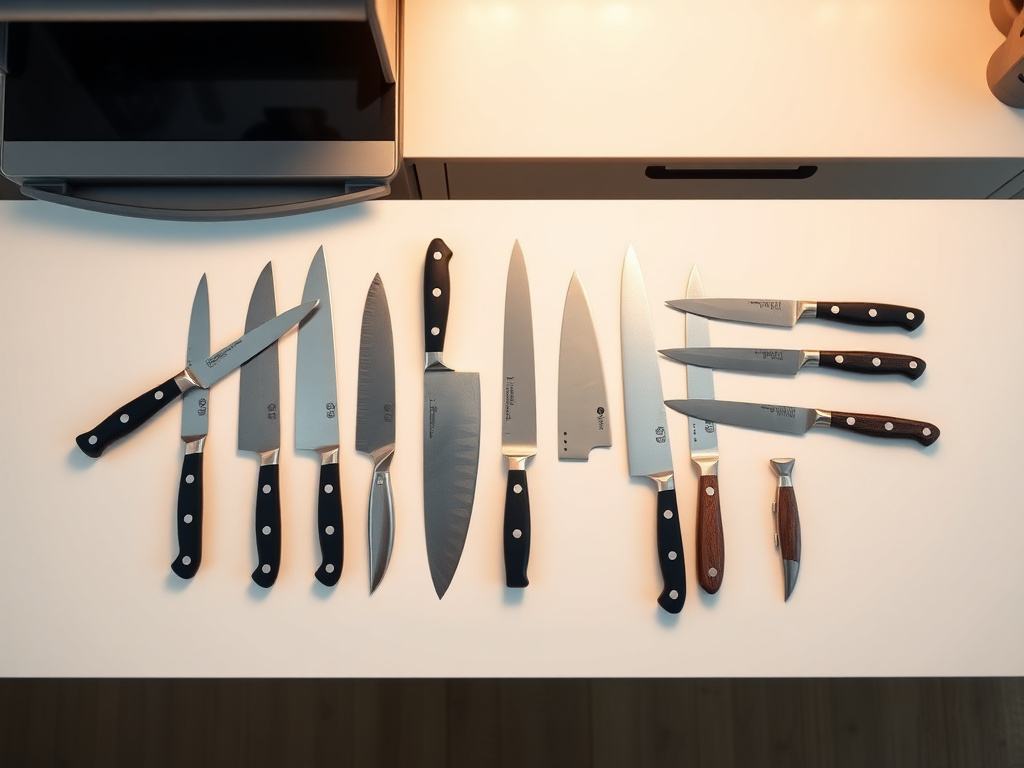
Not all knives are created equal. Each design—whether a classic chef’s knife, stout cleaver, or nimble paring blade—serves a unique function. For example:
- Chef’s knives: Ideal for slicing, mincing, and chopping thanks to their curved belly and balanced weight. The blade typically measures 8-10 inches.
- Cleavers: Thick, tall blades designed for splitting bone and dense vegetables. Often 6-8 inches, their broad surface can also crush garlic or scoop ingredients.
- Paring knives: Short, agile blades (3-4 inches) optimized for peeling and fine detail work.
- Serrated knives: Saw-like edges that excel at cutting bread, ripe tomatoes, or citrus without crushing soft interiors.
The shape, thickness, and grind of each blade type profoundly influence how it interacts with cutting surfaces. These mechanical factors directly affect edge retention and the long-term health of both the knife and the board.
Impact of Blade Geometry on Cutting Board Performance
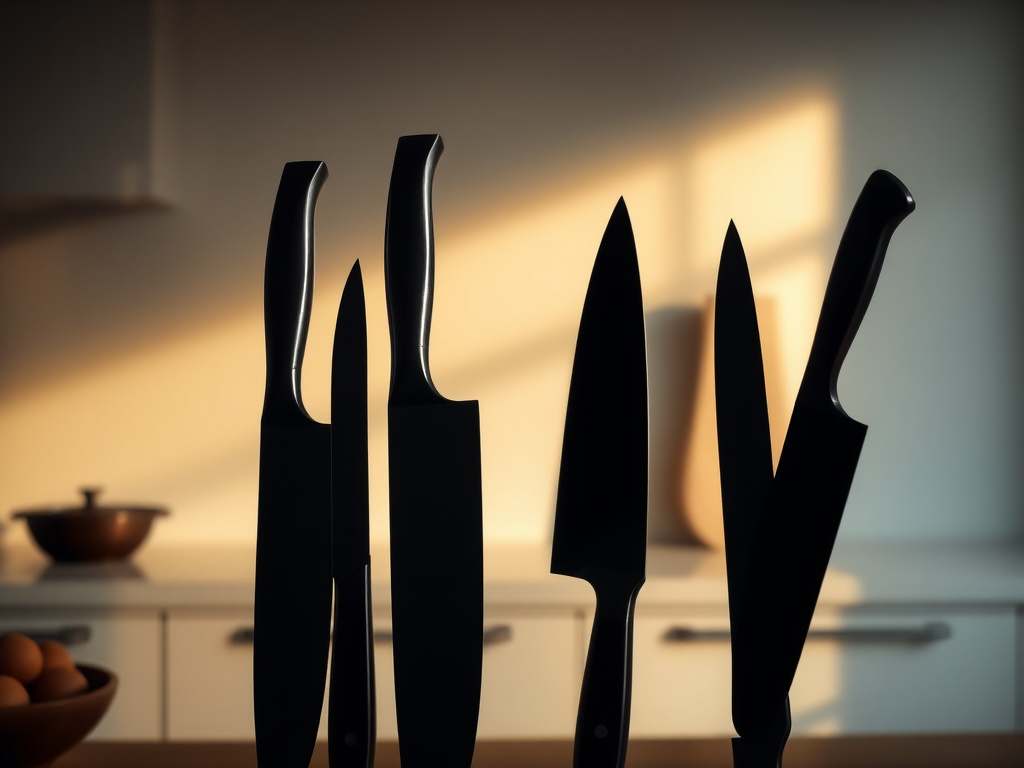
Heavier, thicker knives like cleavers compress wood and polymer surfaces with greater force. Fine-edged chef’s knives respond differently—they can glide or ‘bite’ depending on the board material. Matching the correct board to the style of knife matters more than most cooks realize, a lesson reinforced by countless hours spent repairing chipped blades and warped platters.
How Cutting Board Materials Affect Knife Longevity
End-Grain Wood: Gentle on Edges, Demanding in Care
End-grain boards are constructed with the wood fibers oriented vertically. When a knife edge meets the surface, the fibers part under pressure, then spring back, cushioning the impact. This reduces edge dulling and micro-chipping, especially for fine-edged, high-carbon knives commonly seen in European and Japanese styles. I have seen chefs double the lifespan of their blade’s sharpness simply by switching to end-grain for daily prep.
Maintenance Tip: End-grain boards require immediate drying and regular oiling (once monthly with food-grade mineral oil) to avoid warping and splitting. Never soak or run these through a dishwasher—excess moisture causes swelling, permanent warping, and joint failure in the long run.
Edge-Grain Wood: Versatile, Less Forgiving
Edge-grain boards are made by arranging wood strips side-by-side, running lengthwise. These are less expensive, lighter, and somewhat firmer than their end-grain counterparts. While still suitable for most general-purpose knives, the denser surface increases edge wear, particularly with repeated cleaver or heavy chef’s knife use. Edge-grain boards may warp slightly after washing if not promptly dried.
Bamboo: Eco-Friendly, Tough on Blades
Bamboo boards gained popularity for sustainability and natural bacteria resistance. The dense, silica-rich fibers blunt edges more quickly than most hardwoods. This is especially pronounced with thin, delicate Japanese blade styles. Bamboo resists water better than most woods, but it is less kind to your knives—expect to sharpen a bit more frequently. Still, bamboo’s resilience makes it a favorite for high-traffic prep areas.
Polymer (Plastic): Low-Maintenance, Varies by Density
Polymer boards come in many densities—soft, flexible mats for quick fruit slicing, and heavy, solid slabs for butchery. Soft plastic boards won’t preserve edges as well as end-grain wood but are easy to sanitize and dishwasher-safe. Hard plastic boards (like commercial-grade polyethylene) can be as tough on knife edges as bamboo. Over time, all plastic boards develop deep scoring, which must be resurfaced or replaced to avoid bacteria harboring in grooves.
Bacteria, Warping, and Maintenance — The Hidden Costs
Bacteria Resistance by Material
Board material composition matters for more than just edge retention—it’s critical for food safety. Bamboo and polymer boards naturally inhibit bacterial growth. Bamboo’s density and minimal porosity reduce moisture absorption. End-grain wood offers moderate resistance but can trap microscopic particles if not cleaned immediately. Edge-grain boards are most vulnerable, especially if left damp or scratched deeply by heavy cleavers.
Warping After Washing
Repeated wetting and drying cause expansion and contraction cycles, which are especially pronounced in wood boards. End-grain is most susceptible, requiring immediate toweling after each wash. Edge-grain fares slightly better, but still needs regular oiling and minimal water exposure. Bamboo and polymer resist warping, but deep cracks in bamboo or excessive knife gouges in plastic can become breeding grounds for bacteria.
Long-Term Maintenance Burden
- End-grain wood: Monthly oil treatment, always hand-wash, towel dry, store vertically if possible.
- Edge-grain wood: Oiling every other month, careful drying, avoid prolonged water exposure.
- Bamboo: Light oiling quarterly, wipe dry immediately. Surface can be sanded to remove shallow knife marks.
- Polymer: Dishwasher-safe (unless labeled otherwise); replace once deep cuts appear.
Matching Knife Styles to the Right Cutting Board
Slicing, Chopping, and Cleaving — What Works Where?
Pairing the right style of knife with a suitable board is key to both blade longevity and user safety. Consider the following combinations for best results:
- Chef’s knives & end-grain wood: Preserves fine edges and offers enough cushioning for mincing herbs, dicing vegetables, and slicing proteins.
- Cleavers & bamboo or hard polymer: Bamboo’s density and polymer’s impact resistance absorb heavy blows, minimizing denting and blade chipping.
- Serrated knives & polymer: Soft plastic boards prevent rapid dulling of serrations, which are difficult to sharpen at home.
- Paring knives & edge-grain or small end-grain boards: Lighter, smaller boards suit fine detail work and are easy to maneuver under delicate blades.
In professional kitchens, boards are often color-coded by food type. Explore how professionals choose specialized blades for precision and safety in our deep-dive on knife types for combat and tactical use—a surprising crossover in blade design science.
Practical Steps to Extend Knife Life and Food Safety
- Prep Setup: Inspect board for flatness, oil residue, and visible cracks. Ensure knives are clean, dry, and properly honed.
- During Prep: Wipe boards between protein and produce to prevent cross-contamination. Use a mild bleach solution (1 tablespoon per gallon of water) for plastic boards when switching food types.
- Post-Prep Maintenance: For wood boards, scrub with coarse salt and lemon to remove stains and odors, then rinse under hot water and towel dry immediately. For plastic, run through the dishwasher, provided warping risk is low.
- Sharpening Routine: Check for rolled or chipped edges weekly. Maintain a 15-22° angle on honing rods for Western knives, 10-16° for Japanese blades.
Frequently Asked Questions
How do various styles of knives affect which cutting board I should use?
Different blade shapes and thicknesses transfer force to the board in unique ways. Heavy, thick blades (like cleavers) need boards that absorb shock, such as bamboo or hard polymer. Fine-edged chef’s and paring knives benefit from end-grain wood, which cushions impact and extends edge life. Matching knife and board type is crucial for safety and blade preservation.
Which board material best prevents bacteria when using multiple knives?
Bamboo and high-density plastic boards offer superior bacteria resistance, especially in kitchens where multiple blades cross-contact various foods. Both clean easily and tolerate sanitizing solutions. Still, regular deep cleaning and prompt drying are essential regardless of board material. For further reading, check the practical advice in our expert guide to safe knife handling and styles.
What maintenance routine keeps end-grain boards in peak condition?
After each use, end-grain boards should be washed briefly with hot water, scrubbed to remove food residue, and towel-dried immediately. Apply a thin coat of food-grade mineral oil once a month, and a beeswax finish quarterly for best water resistance. Store boards upright to promote airflow and prevent warping.
Are there knife styles that shouldn’t be used on plastic or bamboo boards?
Ultra-thin Japanese knives (like yanagiba or usuba) can dull quickly on bamboo due to its hardness and silica content. Serrated and heavily tapered blades may wear plastic boards rapidly, causing deep grooves. These grooves can harbor bacteria if not resurfaced or replaced regularly. Softer, end-grain wooden boards are gentler on delicate edges.
What signs indicate it’s time to replace a cutting board?
If a board shows deep scoring, persistent odors, stains that won’t fade, or visible warping, it may no longer be safe or effective for kitchen use. For wood boards, excessive drying or cracking also signals replacement is needed. The longevity of both styles of knives and boards improves dramatically with routine inspection and prompt action.