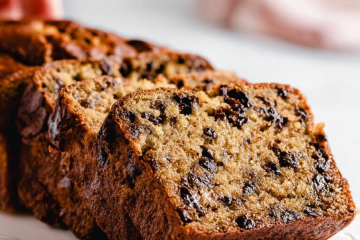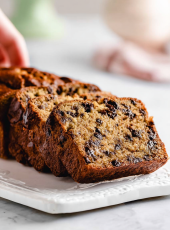
This Butterscotch Bread is about to become your new favorite sweet treat. It’s incredibly moist, wonderfully soft, and bursting with rich butterscotch flavor. I’ve been making this recipe for years, and it never fails to impress my family and friends.
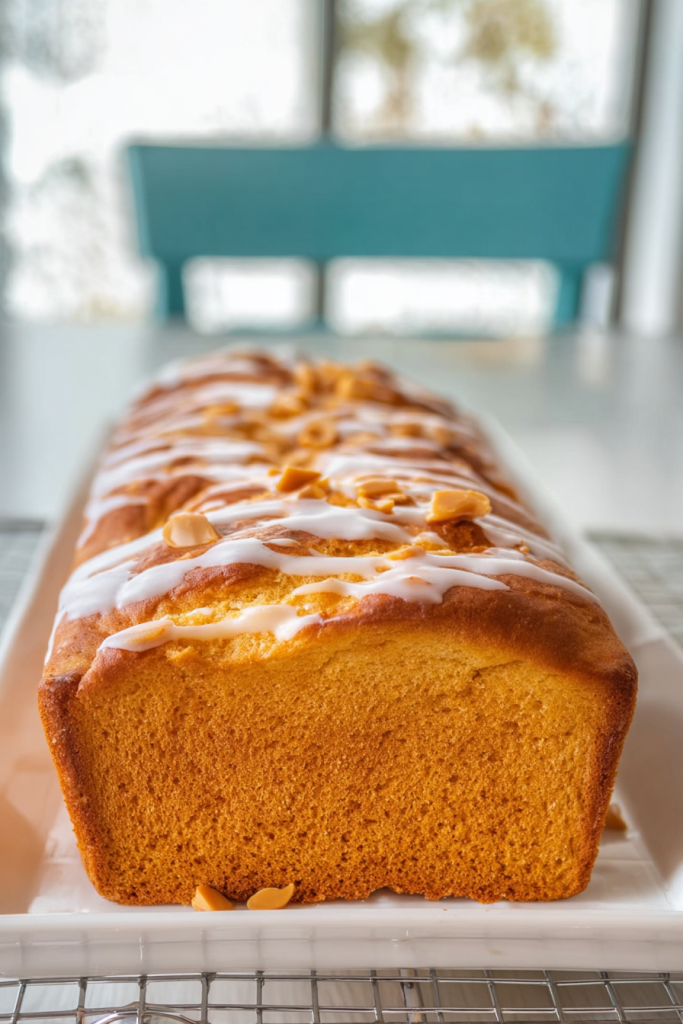
The secret ingredient? Instant butterscotch pudding mix. It creates an amazing flavor without any extra effort. The bread itself is perfectly tender with a delicate crumb. Then comes the simple vanilla icing drizzled on top, finished with butterscotch chips. Every slice is pure bliss.
Recipe Timing & Details
| Prep Time | Cook Time | Total Time | Servings | Difficulty |
|---|---|---|---|---|
| 15 minutes | 55 minutes | 70 minutes | 12 slices | Easy |
Why You’ll Love This Butterscotch Bread
Perfect any time of day. I love serving this butterscotch loaf for breakfast with coffee or as dessert after dinner. The sweetness level makes it versatile enough for both occasions. My kids request it for weekend brunch constantly.
Simple ingredients, impressive results. You probably have most of these ingredients in your pantry already. The pudding mix does the heavy lifting for flavor. No complicated techniques or hard-to-find ingredients are needed here.
Incredibly moist texture. The combination of sour cream and pudding mix keeps this bread tender for days. I’ve had slices stay moist for nearly a week when stored properly. That’s rare for homemade quick breads.
Highly customizable. While I love the classic butterscotch flavor, you can easily swap the pudding mix. Try vanilla, chocolate, or even pistachio for a completely different bread. The icing can be flavored differently too.
Crowd-pleaser guaranteed. I’ve brought this to potlucks, bake sales, and holiday gatherings. It disappears faster than anything else on the dessert table. People always ask for the recipe afterward.
What You’ll Need
Let me walk you through the ingredients for both the bread and the icing. Everything is easy to find at your local grocery store. I keep these items stocked because I make this bread so often.
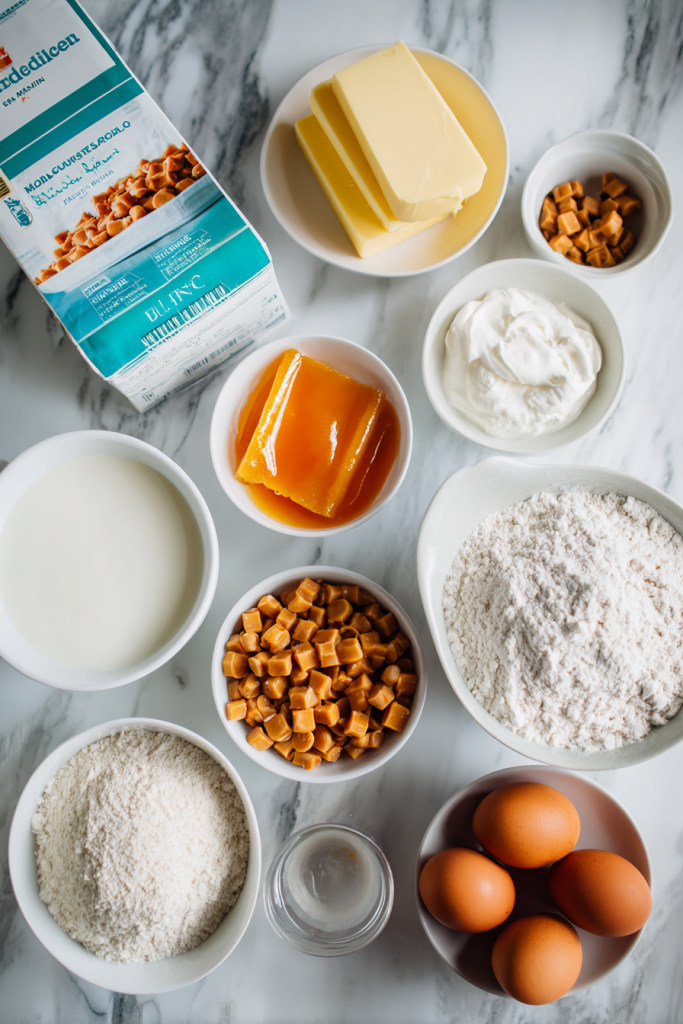
For the Bread
Butterscotch pudding mix: This is the star ingredient that gives the bread its signature flavor. Use the instant variety, not cook-and-serve. Don’t prepare it according to package directions; just add the dry mix directly.
All-purpose flour: This provides structure and creates the perfect tender crumb. I haven’t tested this recipe with alternative flours, so I recommend sticking with all-purpose.
Baking powder and baking soda: These leavening agents work together to help the bread rise beautifully. The combination creates the lightest, fluffiest texture possible.
Salt: Just a small amount balances the sweetness and enhances all the other flavors. Don’t skip it, even though it seems minimal.
Granulated sugar: This sweetens the bread and helps create a tender crumb. It also creams beautifully with the butter.
Unsalted butter: Let it sit at room temperature for 30 minutes before starting. Softened butter creams properly with the sugar, creating air pockets for a light texture.
Large eggs: These bind everything together and add richness. Room temperature eggs incorporate more easily into the batter.
Vanilla extract: I always use pure vanilla extract for the best flavor. It complements the butterscotch beautifully and adds depth.
Milk: This thins the batter to the right consistency. I use whole milk for the richest flavor, but 2% works well too.
Sour cream: This is my secret weapon for incredibly moist bread. The acidity tenderizes the crumb without adding any tangy flavor.
For the Icing
Powdered sugar: This creates a smooth, sweet glaze that drizzles perfectly. Granulated sugar would be too gritty for icing.
Milk: Just a few tablespoons thin the icing to drizzling consistency. Add it gradually until you reach your desired thickness.
Vanilla extract: A touch of vanilla enhances the sweetness of the icing. It ties all the flavors together beautifully.
Butterscotch chips: I sprinkle these on top while the icing is still wet. They add extra butterscotch flavor and make the bread look stunning.
Ingredient Table
| Ingredient | Quantity | Notes |
|---|---|---|
| Instant butterscotch pudding mix | 3.4 oz (1 box) | Use dry mix, don’t prepare |
| All-purpose flour | 1½ cups | Spoon and level for accuracy |
| Baking powder | 1 teaspoon | Check expiration date |
| Baking soda | ½ teaspoon | Fresh for best rise |
| Salt | ¼ teaspoon | Enhances overall flavor |
| Granulated sugar | ¾ cup | Standard white sugar |
| Unsalted butter | ½ cup | Softened to room temperature |
| Large eggs | 2 | Room temperature preferred |
| Vanilla extract | 1 teaspoon | Pure extract recommended |
| Milk | ⅔ cup | Whole or 2% milk |
| Sour cream | 2 tablespoons | Full-fat works best |
| Powdered sugar (icing) | ½ cup | Sifted if lumpy |
| Milk (icing) | 2-3 tablespoons | Add gradually |
| Vanilla extract (icing) | ¼ teaspoon | For flavoring glaze |
| Butterscotch chips | ¼ cup | For topping |
Step-by-Step Instructions
Now let me show you exactly how to make this delicious butterscotch bread. The process is straightforward, and you’ll have it in the oven in about 15 minutes.
How to Make Butterscotch Bread
Prep the oven and pan. Preheat your oven to 350°F. Spray a standard 9×5-inch loaf pan generously with nonstick cooking spray. Make sure to get the corners and sides well.
Combine dry ingredients. Grab a large mixing bowl and whisk together the flour, butterscotch pudding mix, baking powder, baking soda, and salt. Whisk for about 30 seconds to ensure everything is evenly distributed. Set this bowl aside.
Mix butter and sugar. In a separate bowl, use an electric mixer to cream the softened butter and granulated sugar. Beat on medium-high speed for 2-3 minutes. The mixture should look light, fluffy, and almost pale yellow. This step incorporates air for a tender crumb.
Add eggs and vanilla. Crack the eggs into the butter mixture one at a time. Beat well after each addition. Pour in the vanilla extract and mix until everything is smooth and well combined. The batter should look creamy at this point.
Alternate dry and wet ingredients. Here’s where we bring everything together. Add about one-third of the flour mixture to the butter mixture. Mix on low speed until just combined. Pour in half of the milk and the sour cream, then mix again. Add another third of the flour, then the remaining milk. Finish with the last portion of flour. Mix only until you can’t see dry streaks anymore. Don’t overmix.
Transfer and bake. Pour the batter into your prepared loaf pan. Use a spatula to spread it evenly and smooth the top. Bake for 50-60 minutes. The bread is done when a toothpick inserted into the center comes out clean or with just a few moist crumbs.
Cool completely. This step is crucial for the best texture. Let the bread cool in the pan for 10 minutes. Then carefully turn it out onto a wire rack. Allow it to cool completely before adding the icing, about 1 hour.
Make the glaze. While the bread cools, prepare the icing. In a small bowl, whisk together the powdered sugar, milk, and vanilla extract. Start with 2 tablespoons of milk and add more if needed. You want a thick but pourable consistency.
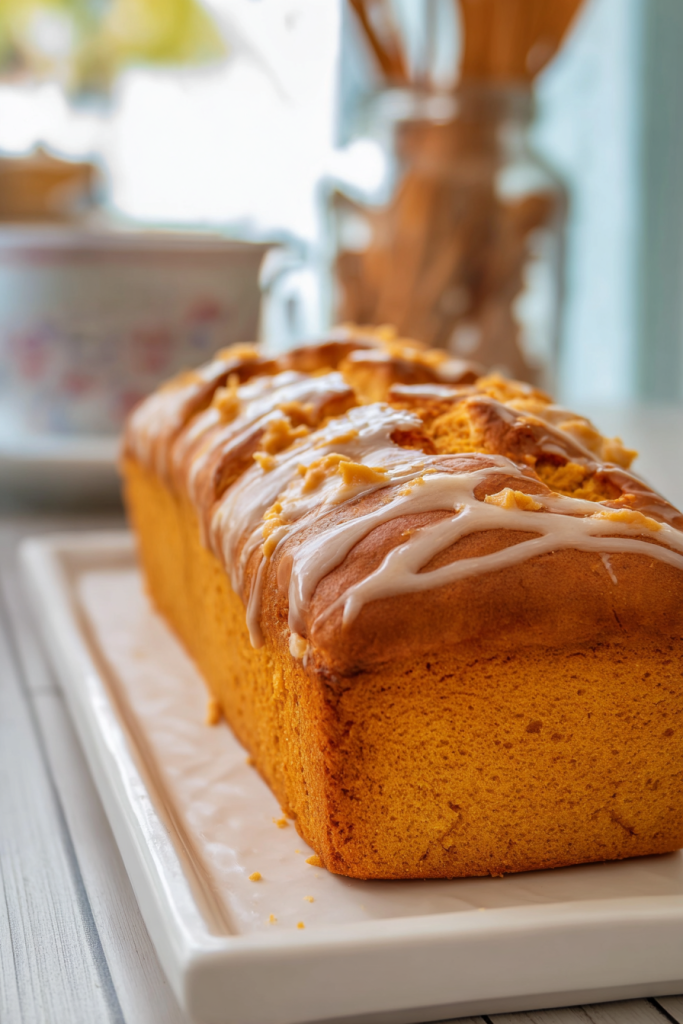
Drizzle and serve. Once the bread is completely cool, drizzle the icing over the top. Let it drip down the sides naturally for a beautiful presentation. Immediately sprinkle the butterscotch chips over the wet icing so they stick. Let the icing set for about 10 minutes, then slice and enjoy.
Tips for Success
Don’t skip the softened butter step. Cold butter won’t cream properly with the sugar. This creates a dense, heavy bread instead of a light, fluffy one. Plan ahead and leave your butter on the counter.
Measure flour correctly. Too much flour makes dry, crumbly bread. Use the spoon-and-level method: spoon flour into your measuring cup, then level it off with a knife. Don’t pack it down.
Mix just until combined. Once you add the flour, overmixing develops gluten and creates tough bread. Mix on low speed and stop as soon as you don’t see flour streaks.
Test for doneness properly. Insert a toothpick into the center of the loaf, not near the edges. If it comes out with wet batter, bake for 5 more minutes and test again.
Cool before icing. If you add icing to warm bread, it will melt and soak in instead of creating a pretty glaze. Patience pays off here.
Adjust icing consistency. If your icing is too thick, add milk one teaspoon at a time. If it’s too thin, whisk in more powdered sugar. You want it to drizzle slowly off a spoon.
Skip the glaze if preferred. The bread is delicious without icing too. I often skip it when making this for breakfast. The bread freezes better without icing as well.
Variations to Try
Different pudding flavors. Swap butterscotch for vanilla, chocolate, or even cheesecake pudding mix. Each creates a completely different bread with the same great texture.
Add mix-ins. Fold in ½ cup of chopped pecans, walnuts, or chocolate chips with the final flour addition. This adds texture and extra flavor.
Flavored icing. Replace vanilla extract in the icing with almond, maple, or butter extract. Each gives the icing a unique twist.
Streusel topping. Instead of icing, make a quick streusel with flour, brown sugar, and butter. Sprinkle it on before baking for a crunchy top.
Storage, FAQs & Final Thoughts
Proper Storage
Store leftover butterscotch bread in an airtight container at room temperature for up to 2 days. The icing holds up well at room temperature for this time period.
For longer storage, refrigerate the bread in an airtight container for up to 5 days. The texture stays moist and delicious. Let it come to room temperature before serving for the best flavor.
To freeze, wrap the bread tightly in plastic wrap, then place it in a freezer bag. Freeze for up to 2 months. I recommend freezing it without the icing for best results. Thaw overnight in the refrigerator or for a few hours at room temperature. Add fresh icing before serving.
Frequently Asked Questions
Can I use cook-and-serve pudding instead of instant? Instant pudding mix works best for this recipe because it distributes evenly throughout the batter. Cook-and-serve pudding has a different formulation and may not give the same results. Stick with instant for the best butterscotch flavor and texture.
Why did my bread sink in the middle? This usually happens when the bread isn’t fully baked or when the oven door is opened too early. Make sure to bake for the full time and test with a toothpick. Also, avoid opening the oven door during the first 40 minutes of baking.
Can I make this into muffins instead of a loaf? Absolutely! Fill muffin cups about two-thirds full and bake at 350°F for 18-22 minutes. This recipe makes about 12 standard muffins. They’re perfect for grab-and-go breakfasts.
How do I know when the bread is done? Insert a toothpick into the center of the loaf. It should come out clean or with just a few moist crumbs attached. If you see wet batter, bake for 5 more minutes and test again.
Can I substitute Greek yogurt for sour cream? Yes, full-fat Greek yogurt works as a substitute for sour cream. Use the same amount. The bread will be just as moist and tender. I’ve done this many times with great results.
Final Thoughts
This Butterscotch Bread has become a staple in my kitchen. It’s easy enough for busy weekday mornings yet special enough for weekend brunch with guests. The butterscotch flavor is rich and comforting without being overwhelming.
I love how versatile this recipe is. You can dress it up with the icing for special occasions or keep it simple for everyday enjoyment. It makes wonderful gifts too—just wrap a cooled loaf in plastic wrap and tie it with a ribbon.
The texture stays incredibly moist for days, which is rare for quick breads. The pudding mix truly makes a difference. Every time I make this, I’m reminded why it’s such a favorite.
Give this Butterscotch Bread a try this weekend. I think you’ll be as hooked as I am. Once you taste that tender crumb and sweet butterscotch flavor, it’ll be hard not to make it again and again.
Happy baking!
Butterscotch Bread
Ingredients
- For the Bread:
- 3.4 oz instant butterscotch pudding mix 1 box, dry mix
- 1½ cups all-purpose flour
- 1 teaspoon baking powder
- ½ teaspoon baking soda
- ¼ teaspoon salt
- ¾ cup granulated sugar
- ½ cup unsalted butter softened to room temperature
- 2 large eggs room temperature preferred
- 1 teaspoon vanilla extract pure extract recommended
- ⅔ cup milk whole or 2%
- 2 tablespoons sour cream full-fat
- For the Icing:
- ½ cup powdered sugar
- 2-3 tablespoons milk
- ¼ teaspoon vanilla extract
- ¼ cup butterscotch chips for topping
Instructions
- Prep the oven and pan: Preheat oven to 350°F. Spray a 9×5-inch loaf pan generously with nonstick cooking spray, ensuring corners and sides are well coated.
- Combine dry ingredients: In a large mixing bowl, whisk together flour, butterscotch pudding mix, baking powder, baking soda, and salt for about 30 seconds. Set aside.
- Mix butter and sugar: In a separate bowl, cream softened butter and granulated sugar using an electric mixer on medium-high speed for 2-3 minutes until light, fluffy, and pale yellow.
- Add eggs and vanilla: Add eggs one at a time, beating well after each addition. Pour in vanilla extract and mix until smooth and creamy.
- Alternate dry and wet ingredients: Add one-third of flour mixture to butter mixture, mixing on low speed until just combined. Add half of the milk and all of the sour cream, mix again. Add another third of flour, then remaining milk. Finish with last portion of flour. Mix only until no dry streaks remain. Do not overmix.
- Transfer and bake: Pour batter into prepared loaf pan and spread evenly. Bake for 50-60 minutes until a toothpick inserted in the center comes out clean or with just a few moist crumbs.
- Cool completely: Let bread cool in pan for 10 minutes, then turn out onto a wire rack. Allow to cool completely (about 1 hour) before icing.
- Make the glaze: In a small bowl, whisk together powdered sugar, 2 tablespoons milk, and vanilla extract. Add more milk if needed for a thick but pourable consistency.
- Drizzle and serve: Drizzle icing over completely cooled bread, letting it drip down the sides. Immediately sprinkle butterscotch chips over wet icing. Let icing set for 10 minutes before slicing.
Notes
Substitutions: Greek yogurt can replace sour cream. Use 2% milk instead of whole milk if preferred.
Variations: Try different pudding flavors (vanilla, chocolate, pistachio), add ½ cup chopped nuts or chocolate chips, or top with streusel instead of icing.
Muffins: Fill muffin cups two-thirds full and bake at 350°F for 18-22 minutes. Makes about 12 muffins.
Tips: Use instant pudding mix (not cook-and-serve). Ensure butter is softened to room temperature. Don’t overmix once flour is added. Cool bread completely before adding icing to prevent melting.Claude can make mistakes. Please double-check responses.