


What separates a golden, crusted casserole from a soggy, steamed disappointment? The answer is often hiding in plain sight: the right cover for your casserole. For cooks obsessed with that perfect, caramelized crust—and I count myself among them—the right lid is just as crucial as the pan beneath it.
Key Takeaways
- Heavier covers retain heat and control moisture, producing superior crust and texture.
- The fit and material of your casserole’s cover directly impact browning and even cooking.
- Understanding thermal mass and steam management brings restaurant-level results at home.
The Science of Casserole Covers: Why Weight and Fit Matter
Thermal Mass: Your Secret Weapon for Browning
After testing hundreds of kitchen products, I’ve found that the tools which deliver lasting results aren’t flashy—they’re the simplest, heaviest, and least showy items in your drawer. The same applies to the top of your casserole dish. The heavier the cover, the more thermal mass it brings to the party. This means it soaks up and radiates heat, stabilizing oven temperatures and preventing the wild swings that create hot spots.
Cast iron and thick stainless steel covers are champions here. Their weight and density translate to fewer temperature drops during oven opening, and more consistent cooking. If you’re chasing a crust as deep and even as your local steakhouse, you need that thermal mass working for you.
Steam: Friend, Foe, or Both?
Moisture is a double-edged sword. Trap too much, and you get soft, pallid food. Let it all escape, and you risk dry, uneven textures. The cover’s fit determines how much steam stays inside. A snug-fitting top locks in steam for tender interiors, but for that coveted browned lid, you’ll want to remove the cover during the final minutes of baking—usually the last 10-20 minutes at 400°F–425°F (200–220°C).
Material Choices: Cast Iron, Glass, and Beyond
- Cast Iron: Unrivaled for heat retention and crust development. Its weight prevents warping and keeps edges crisp.
- Glass: Excellent for monitoring the cooking process, but less effective at delivering dry heat for browning. Watch for fit—glass lids often vent steam more rapidly.
- Stainless Steel: Great for even heat, but can lack the density of cast iron. Look for versions with thick, multi-layer construction.

Choosing the Best-Fitting Top for Your Pan
Shape and Seal: Why Details Matter
A casserole’s top should match the shape of the pan as closely as possible. Square with square, oval with oval. Gaps or overhangs allow too much moisture loss, drying out delicate casseroles like overnight egg bakes. If you’re prepping a make-ahead breakfast, like this overnight breakfast casserole recipe, that tight seal keeps your custard creamy, not rubbery.
Handles and Oven Safety
Always check that the handle on your cover is oven-safe to at least 450°F (232°C). Metal knobs are preferable to plastic, which can fail at high temperatures, especially during broiling or high-heat finishes.
When a Foil Cover Works—and When It Doesn’t
Heavy-duty foil can be a quick substitute, but it can’t match the heat retention of true metal or cast iron. Foil is best for shorter bakes under an hour, or when you want to vent steam deliberately. For long, slow-cooked dishes, a properly fitting, weighty cover gives far more control over both moisture and browning.
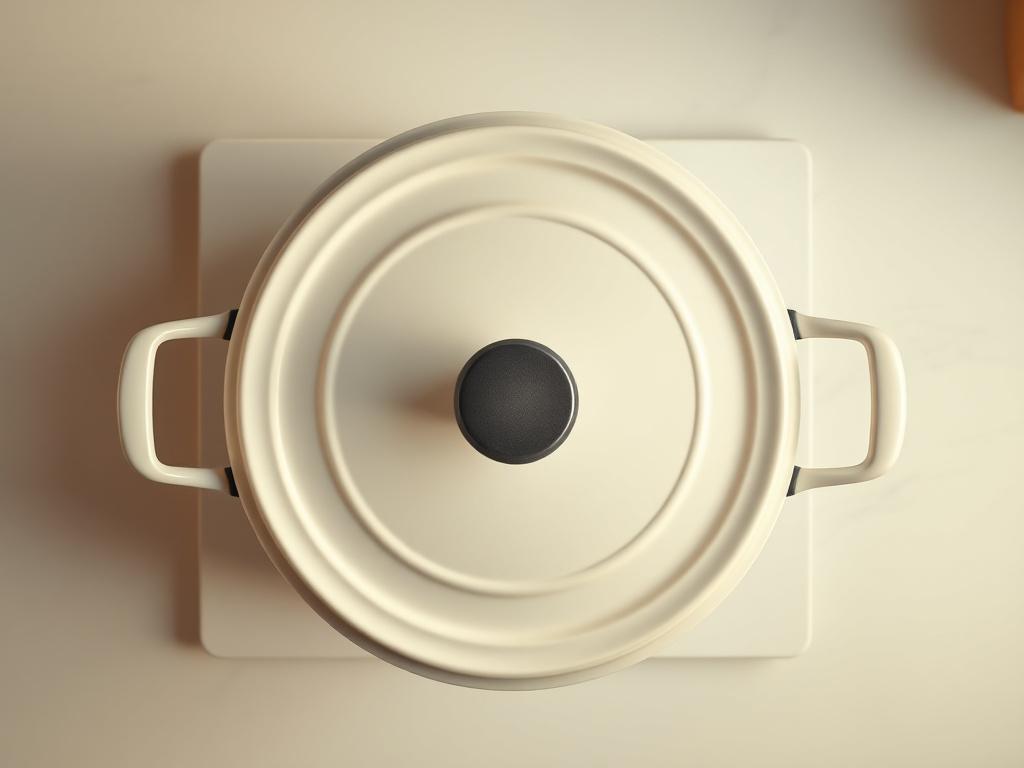
How Casserole Covers Affect Texture, Moisture, and Crust
Moisture Management: The Balancing Act
Too much moisture trapped under a cover leads to steamed, soft toppings. Too little, and your casserole dries out at the edges before the center cooks through. The best approach is a hybrid: cover tightly for the first two-thirds of baking, then remove the top to finish. For a loaded dinner bake such as this chicken and potato casserole, bake covered for 35 minutes at 375°F (190°C), then uncover and raise to 425°F (220°C) for 15 minutes to achieve a crisp crust.
Crust Development: The Searing Purist’s Perspective
Only dry, high heat will create that coveted golden surface. A weighty cover helps ensure the casserole’s internal temperature rises evenly, but it must come off at the right moment to let the Maillard reaction do its work. If you crave the dark, restaurant-style crust, resist the urge to broil immediately—let the dry oven air do the heavy lifting for at least 10 minutes after removing the cover, then finish under the broiler if more color is needed.
Thermal Mass in Action: Why Heavy Tops Excel
Open a hot oven and you’ll see the temperature plummet. A heavy cover acts as a heat reservoir, restoring lost heat quickly and helping your casserole recover fast. That’s how you avoid pale, undercooked middles and uneven edges. For serious browning, nothing beats a cast iron cover paired with a cast iron or enameled steel pan.
Preventive Measures: Avoiding Soggy or Overcooked Results
Seal Checks: Preventing Steam Leaks
Before every bake, check for warps or chips along the rim of both pan and cover. Even a slight bend lets steam escape, sabotaging your texture. If you notice a persistent leak, double up with a parchment round under the lid—this trick preserves moisture and prevents over-drying.
Layering Techniques
When layering ingredients, keep sauces and liquids on the bottom and toppings like cheese or breadcrumbs on top. This ensures the cover traps steam where it’s needed, while letting the upper layers dry out and brown. If you’re making a breakfast casserole, try following the method in this easy make-ahead breakfast casserole recipe for reliable results.
Timing and Temperature: The Final Variables
Start covered at a moderate temperature—typically 350°F–375°F (175–190°C)—then finish at higher heat, uncovered, to set the crust. If your dish contains a lot of eggs or dairy, avoid going above 425°F (220°C), as this can cause curdling or splitting. Use a thermometer to ensure the interior reaches at least 165°F (74°C) for food safety.
Frequently Asked Questions
How does the weight of a casserole’s top affect the final dish?
A heavier cover ensures more stable oven temperatures and better moisture control. This means your casserole cooks evenly from edge to center, reducing dry spots and producing a deep, flavorful crust when the cover is removed at the right time. Lightweight or ill-fitting lids can cause temperature swings and inconsistent results.
Is it necessary to always use a tight-fitting cover for casseroles?
Not always. A snug top is essential for recipes that rely on steam, like custardy breakfast bakes or dishes with delicate proteins. For casseroles where a crisp top is the goal, it’s best to start covered and finish uncovered to allow the surface to brown properly. Adjust based on the texture and finish you want.
Can I improvise with foil if my original cover is missing?
Foil is a useful stand-in for short bakes or when you want to vent extra steam. However, it doesn’t provide the same heat retention as cast iron or steel. For best results—especially with dishes needing long, steady cooking and a stable, high-heat environment—use a heavy, well-matched lid whenever possible.