


What happens when kitchen ceilings stretch ten feet or higher—and every square inch matters? Tall, soaring cabinets might seem like a dream, but they bring unique organization and access hurdles. Over years spent evaluating kitchen storage, I’ve learned that the most reliable solutions are often the simplest, heaviest, and frankly, the most unremarkable tools in the drawer. That pragmatism is vital when tackling the challenges presented by high ceiling kitchen cabinets, especially when every shelf above your head has to earn its keep and keep its contents safe and sealed.
Key Takeaways
- Cabinets built for high ceilings require thoughtful planning to avoid wasted or inaccessible space.
- Durable, airtight containers and tiered spice racks maximize vertical capacity and preserve integrity at any height.
- Safe access tools—like sturdy step stools—are non-negotiable for upper shelves in tall cabinet runs.
- Customizing shelf heights and using deep-drawer inserts makes high-mounted cabinets as useful as eye-level storage.
The Real Challenge of Tall Cabinets: Why Height Changes Everything
Understanding Proportions and Accessibility
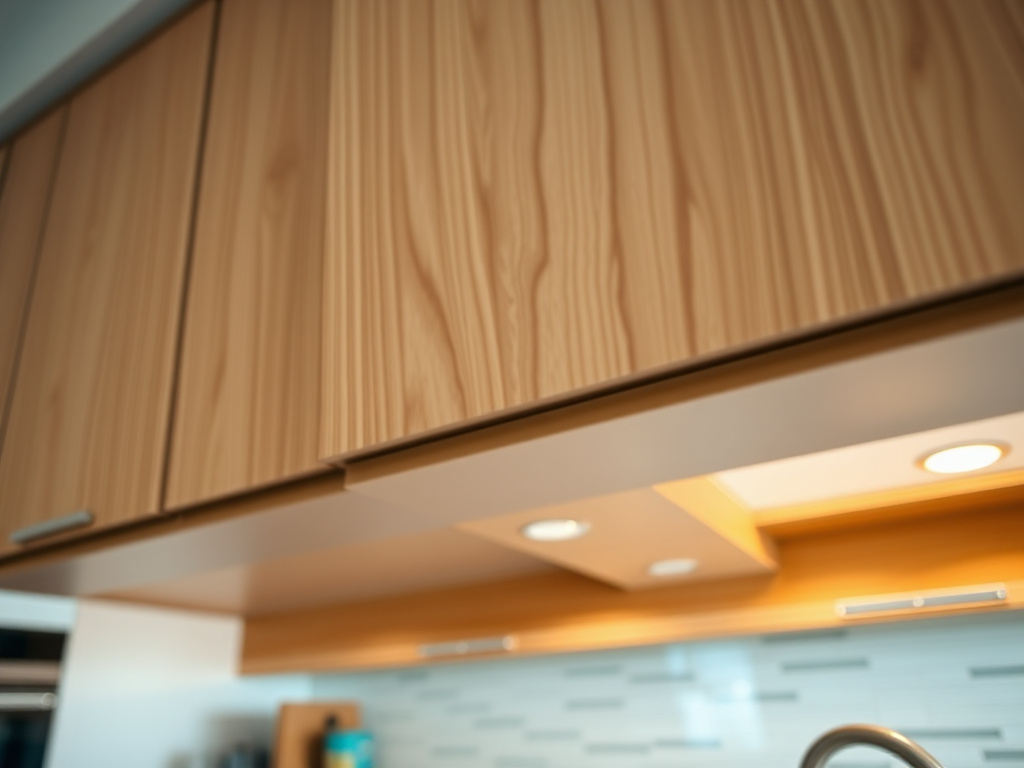
Installing cabinets in rooms with ceilings higher than nine feet transforms everything about kitchen organization. Regular upper cabinets stop short of the ceiling, leaving a dust-catching void. Extending cabinetry all the way up can look impressive, but those top shelves will be out of reach for daily use. Without a plan, you risk creating storage that’s more for show than function.
Vertical Storage: Opportunity and Risk
It’s tempting to fill every inch with shelving, but every added foot above eye level creates practical concerns. Cabinet doors at this height are heavier, and stored items are harder to see and retrieve. Placing lighter items and gadgets you rarely use up high can help, but if containers aren’t truly airtight, you’ll face food spoilage risk—especially for spices and dry goods.
The Airtight Imperative
From an airtight integrity perspective, elevation amplifies risk. Containers up high get exposed to rising kitchen heat and humidity. The further from your daily line of sight, the more likely you’ll forget what’s stored—until you discover staled contents. Every jar or box needs a real seal: in my tests, only containers that withstand inversion, drop, and heat cycles make it onto my upper shelves.
Designing for Function: Storage Solutions that Work
Tiered Racking and Deep Drawers
The first step is configuring the interiors for real-world use. Tiered spice racks turn vertical cabinet space into organized, visible storage. Deep drawer inserts allow you to stack and nest containers securely, but only if each container can survive being knocked over or tipped sideways—microwave heat and drop-test included. Standard spice jars rarely pass these liquid-leak tests, but heavy glass jars with silicone seals almost always do.
Custom Shelf Heights
Set shelf heights to match actual container dimensions. For spice storage in extra-tall cabinets, keep the most-used jars between 48″ and 60″ off the floor—about shoulder to eye level for most adults. Place infrequently used items or bulk supplies in the higher reaches. If you need more detail on configuring storage, my deep dive on best kitchen shelf for storage explains how to size shelves for both access and volume.
Safe Access: Stools and Ladders
Never underestimate the importance of a good step stool. I require a platform at least 16 inches wide with a stable, rubberized base. On high ceiling layouts, consider a rolling library ladder—mounted with a secure rail—to reach the uppermost cabinets. Always store the stool nearby, never inside the cabinet, to avoid risky climbs.
Preserving Freshness: Airtight Storage for Spices in Tall Cabinets
Why Spices Are Vulnerable at the Top
Heat rises in the kitchen, and top shelf cabinets catch more than their share—sometimes reaching 90°F or higher during summer. For spice racks mounted up high, humidity and temperature changes accelerate loss of flavor and invite clumping. Light also degrades delicate compounds, especially in glass-front cabinets.
Choosing the Right Containers
My testing protocol is unforgiving: I fill every jar with liquid, invert it, drop it from a countertop, then microwave it before trusting it to the upper shelves. Containers that pass these tests maintain their airtight integrity even when jostled or exposed to kitchen heat. Skip the fancy decorative jars unless they match these standards. Instead, look for heavy, simple, and opaque solutions.
Labeling for Visibility
Store spice jars with clear, bold labels facing outward. Use moisture-resistant markers or pre-printed labels that withstand both heat and humidity. Arrange jars by frequency of use: daily spices at shoulder height, occasional ones higher. For more on practical pantry organization, see our detailed review of brown kitchen pantry cabinets.
Custom-Build Strategies for High Ceiling Cabinet Runs
Split Cabinetry for Access and Aesthetics
In rooms with ceilings above 10 feet, break up the cabinet run: install a standard row of uppers at reachable height, then a second, smaller cabinet set above with solid doors. The uppermost cabinets serve as long-term storage for infrequently used items. Choose lift-up or bi-fold doors for easier opening when standing on a stool.
Consider Pull-Down Racks
Pull-down mechanisms let you bring entire spice racks down to counter height, then lift them back out of the way. While not necessary for every kitchen, they can transform unreachable storage into a functional asset. Always test the pull-down device with a full load—at least 10 lbs—to ensure smooth operation and stability.
Lighting and Visibility
Install LED strip lighting inside upper cabinets. Choose fixtures with a color temperature around 4000K for a neutral, daylight-like tone. Good lighting reduces the risk of knocking over jars or missing labels. Battery-operated tap lights also work, but hardwired solutions are more reliable for daily use.
Ongoing Maintenance: Keeping Tall Cabinets Useful for Years
Regular Cleaning and Inspection
Dust and airborne grease settle on topmost shelves. Clean every month with a damp microfiber cloth and mild detergent. Inspect seals on containers for cracks or stiffness—replace anything that fails the drop or inversion test.
Seasonal Reorganization
Twice a year, rotate spices and dry goods from top cabinets down to lower shelves, moving fresh purchases up. This helps maintain freshness and prevents forgotten stock from aging out. For more on optimizing kitchen measurement and prep, you might compare options in our digital kitchen scale review.
Adapting as Needs Change
As your cooking habits evolve, so should your cabinet layout. If you find yourself climbing up for the same items more than twice a week, move those jars down and shift lesser-used items up. High ceiling cabinet storage only works if it adapts with you.
Frequently Asked Questions
What is the best way to store spices in kitchen cabinets with high ceilings?
Use only airtight, heavy jars that seal properly—test them by inverting filled containers for at least one minute and microwaving for two minutes at full power. Place the most-used spices at easy-reach height and reserve the upper shelves for duplicates or bulk refills. Clear labeling is essential to avoid forgotten or expired stock.
How do I safely access items from very tall kitchen cabinets?
A sturdy, wide-based step stool is a must—choose one at least 16 inches wide with slip-resistant feet. For cabinets above 9 feet, consider a rail-mounted ladder for frequent access. Always check that the surface is dry and stable before climbing, and never store access tools inside the cabinets themselves.
How do temperature and humidity affect spices stored in high ceiling cabinets?
Upper shelves near the ceiling are exposed to higher heat and more humidity, which can degrade spice flavor, texture, and shelf life. Use opaque, airtight containers and check seals every few months. Periodically rotate stock to lower shelves to minimize long-term exposure and maintain freshness.