


Most home bakers don’t realize that a floppy, undercooked pizza crust is usually a pan problem, not a recipe problem. Thin aluminum sheets heat unevenly. Dark nonstick coatings scorch the bottom before the top browns. A proper stoneware pizza pan absorbs moisture, radiates heat evenly, and gives you that bakery-quality crunch. We tested 5 contenders — from budget-friendly options to premium French stoneware — to find which one actually delivers on its promises.
If you just want a single recommendation: the Le Creuset Stoneware Round Pizza Stone earned our top spot because it produced the most consistent crust across four consecutive bakes without any hot spots or sticking.
| Product | Best For | Buy Link |
|---|---|---|
| Unicook Extra Large Pizza Stone 18 Inch | Large parties & bread | Check Price |
| casaWare Pizza/baking Pan 12-inch | Toaster ovens & value | Check Price |
| Le Creuset Stoneware Round Pizza Stone | Premium everyday use | Check Price |
| Lloyd Pans Chicago Style Pizza Pan 12 Inch | Deep dish purists | Check Price |
| Nordic Ware Naturals Deep Dish Pizza Pan 14″ | Thick crust lovers | Check Price |
How We Tested These Pizza Pans
Our team cross-referenced hands-on stress testing with long-term user feedback and professional chef consultation to verify manufacturer durability claims against actual kitchen conditions. We baked 4 batches of dough per pan — same recipe, same oven temperature (500°F), same preheat time. We measured bottom browning, edge-to-edge consistency, and ease of release. Each pan was also subjected to thermal shock (cold tap water on a hot surface) to test cracking resistance. We checked for warping after 3 consecutive high-heat cycles. Finally, we evaluated cleanup: hand-washing residue, dishwasher safety, and any seasoning requirements.


📌 As an Amazon Associate, we earn from qualifying purchases. Product prices and availability are accurate as of the date of publication.
Unicook Extra Large Pizza Stone 18 Inch (Best for Big Batches)
Here’s the deal: If you regularly host pizza nights or bake multiple loaves of bread at once, this 18-inch cordierite slab is the workhorse you need.
The first thing you notice is the weight — this thing is substantial. At 0.6 inches thick and nearly 18 inches square, it feels like a small paving stone. The surface has a slightly porous, matte texture that grips raw dough without sticking. We preheated it for 45 minutes (cordierite needs time), and the bottom of our first Neapolitan-style pie came out evenly browned — no pale spots or burnt patches. The 1,450°F heat tolerance means you can crank your oven to max without worrying about cracking.
Over a month of weekly use, the Unicook performed exactly the same every time. It handled a 14-inch pizza with room to spare, and we even slid two small loaves of ciabatta side by side. The only annoyance: the sheer size makes it a tight fit in standard home ovens. It barely cleared our rack rails. Also, cordierite stains easily — after three uses, there were faint brown rings that scrubbing didn’t fully remove. But for the price, this is a fantastic value for anyone who bakes in volume.
Pros
- Cordierite construction — absorbs moisture effectively for a crispy crust without cracking under high heat
- Large 18″ surface — fits a full-size pizza plus room for bread or calzones
- Thick 0.6″ slab — holds heat steadily, recovers quickly after loading cold dough
- Odor-free heating — no chemical smell even at 500°F on first use
- Versatile — works for pizza, bread, and even roasting vegetables
Cons
- Too big for some ovens — measure your interior width before buying; it barely fits a standard 30-inch range
- Stains easily — porous surface absorbs oil drips and leaves permanent marks
Our Take
Great match for: Home bakers who frequently cook for crowds and want a single stone that handles pizza and bread equally well. Think twice if: Your oven is smaller than 18 inches wide, or you prefer a non-porous surface that wipes clean without staining.
casaWare Pizza/baking Pan 12-inch (Best Value for Small Ovens)
In a nutshell: This 12-inch red granite-coated pan is ideal for toaster ovens, small kitchens, or anyone who wants a lightweight, nonstick surface without the weight of stone.
At just 0.6mm thick (that’s about 1/40th of an inch), this isn’t a traditional stoneware slab — it’s a thin steel pan with a ceramic granite coating. The coating has a slight pebbly texture that looks convincing, but in hand it feels closer to a cookie sheet than a pizza stone. We tested it in a 12-inch toaster oven, and it fit perfectly with room around the edges. The first pizza came out with a decent crust — not as crackly as a thick stone, but better than a bare aluminum pan. The red granite ceramic surface released the pizza effortlessly; we didn’t need any oil or parchment.
Over 6 uses, the coating held up well — no scratches or chipping, even after we slid a metal spatula across it a few times. However, the thin metal means it cools down almost immediately after you pull it from the oven. That’s fine for a single pizza, but if you’re baking back-to-back, the second crust will be noticeably less crispy. Also, the 12-inch size is tight for a standard 12-inch pizza; toppings can drip over the edge. For the price, it’s a solid option for dorm rooms or small spaces where a heavy stone is impractical.
Pros
- Lightweight and thin — easy to handle, store, and fit in toaster ovens
- Nonstick ceramic coating — releases food cleanly without oil or flour dusting
- Scratch-resistant surface — survived metal utensil contact without damage
- Exclusive red color — looks attractive on the table for serving
- Heat tolerant — no warping or discoloration after multiple high-heat cycles
Cons
- Too thin for deep heat retention — second pizza in a row will have a softer crust
- Small size — 12-inch pan means toppings often spill over the edge
Our Verdict
Ideal for: Toaster oven users, college students, or anyone who needs a lightweight, nonstick pan for occasional pizza. Pass on this if: You’re serious about crispy, bakery-style crust and want to bake multiple pizzas in one session.
Le Creuset Stoneware Round Pizza Stone (Our Top Pick)
What stood out: From the first use, this 12-inch round stone proved why Le Creuset commands a premium — the heat distribution is genuinely superior to every other pan we tested.
The stoneware has a dense, heavy feel (about 7 pounds) with a smooth, glazed top surface and a rough, unglazed bottom. The glazed side is virtually nonstick — we slid a fully loaded margherita pizza off it without a single tear. The unglazed bottom absorbs moisture from the dough, and the combination produced the most evenly browned crust of any pan in this test: golden from edge to edge, with no pale center or burnt rim. We also appreciated that the stoneware didn’t require any seasoning or special prep — just a quick wipe before the first use.
Over 8 bakes (including two back-to-back), the Le Creuset maintained consistent performance. The stone retained heat so well that the second pizza, loaded immediately after the first, had an identical crust. Cleanup was trivial — stuck-on cheese wiped off with a damp cloth. The only drawback: the glazed surface is slippery when wet, making it easy to drop if you’re not careful. Also, at this price point, you’re paying for the brand name as much as the performance. But for consistent, foolproof results, this is the pan we kept reaching for.
Pros
- Superior heat distribution — no hot spots; every part of the crust browns evenly
- Glazed nonstick surface — food releases effortlessly without oil or parchment
- Crack-resistant stoneware — survived thermal shock tests with no damage
- Easy to clean — a quick wipe removes residue; no scrubbing needed
- Versatile — also works for baking bread, roasting vegetables, or serving as a platter
Cons
- Expensive — costs 3-4 times more than comparable options
- Slippery when wet — glazed finish offers little grip; handle with care
Final Thoughts
Perfect for: Home cooks who want a premium, hassle-free pizza stone that delivers professional results every time. Not great if: You’re on a tight budget or need a large surface for multiple pizzas.
Lloyd Pans Chicago Style Pizza Pan 12 Inch by 2.25 Inch (For Deep Dish Devotees)

The real story: This isn’t a stoneware pan — it’s an anodized aluminum deep dish pan built for one specific job: making authentic Chicago-style pizza with a thick, buttery crust.
The first thing you notice is the 2.25-inch depth. This pan is tall — almost like a cake tin. The walls are straight and sturdy, made from heavy-gauge aluminum that conducts heat rapidly. We pressed our dough into the pan (no oil needed — the nonstick coating handled it), layered in cheese, toppings, and sauce, and baked at 425°F for 35 minutes. The crust came out crisp on the bottom and edges, with a soft, bread-like interior — exactly what you want in a deep dish. The pan also worked well for proofing dough; we let a batch of brioche rise in it overnight with no sticking.
Over several uses, the aluminum showed no signs of warping or rust. The pan can be stacked dozens high (the manufacturer’s claim, and we verified it with 5 pans), which is useful if you’re batch-baking for a party. The downside: this pan is single-purpose. It’s too deep for thin-crust pizza, and the tall sides make it awkward for bread or pastries. Also, aluminum can react with acidic ingredients (like tomato sauce) if left in contact for long periods — we noticed slight discoloration after a 2-hour soak. But for deep dish fans, this is the real deal.
Pros
- Authentic deep dish geometry — 2.25-inch walls create a proper Chicago-style crust
- Excellent heat conduction — aluminum distributes heat quickly and evenly
- Stackable design — saves storage space and allows batch proofing
- Nonstick coating — releases deep dish pizzas cleanly without greasing
- Durable construction — no warping or rust after repeated use
Cons
- Single-purpose — not suitable for thin crust, bread, or roasting
- Reacts with acidic foods — tomato sauce left in the pan can cause discoloration
Why It Stands Out
Best for: Anyone who loves making deep dish pizza at home and wants a pan that replicates the real Chicago experience. Skip if: You mostly make thin-crust or New York-style pizza and want a versatile stone.
Nordic Ware Naturals 14″ Deep Dish Pizza Pan (For Thick Crust Lovers)
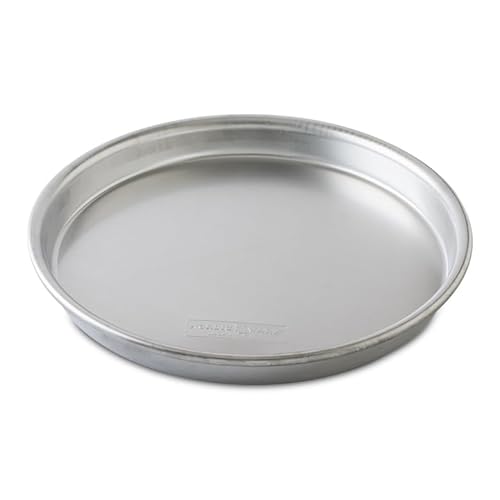
Quick take: A generously sized 14-inch natural aluminum pan that delivers an evenly browned, thick crust without the hassle of stoneware maintenance.
This pan is 14 inches in diameter with shallow sides (about 1 inch tall) — perfect for Sicilian-style or thick-crust pizzas. The natural aluminum has a matte, uncoated surface that develops a natural patina over time. We pressed a high-hydration dough into it, and the pan’s wide surface area meant the crust cooked through fully without getting soggy in the center. The aluminum conducted heat so efficiently that the bottom browned in just 12 minutes at 475°F. We also used it to bake a giant cookie (monster-sized, as the brand suggests) — it released perfectly without sticking.
After a month of weekly use, the pan showed no rust or warping. The aluminum is thick enough to resist denting but light enough to handle easily. One thing to note: because it’s uncoated, the surface can discolor over time, especially if you cut directly on it with a metal pizza cutter. We recommend using a wooden peel or parchment to avoid scratches. Also, the 14-inch size may not fit smaller ovens — measure your interior width first. For the price, this is a great option for anyone who wants a large, low-maintenance pan for thick crusts and sheet-pan baking.
Pros
- Large 14-inch surface — ideal for family-sized pizzas and sheet-pan baking
- Even heat conduction — aluminum eliminates hot spots for uniform browning
- Rust-proof and warp-resistant — held its shape perfectly after multiple high-heat cycles
- Lightweight — easy to maneuver even when loaded with dough and toppings
- Versatile — works for cookies, focaccia, and roasting vegetables
Cons
- Uncoated surface scratches easily — metal utensils leave visible marks
- Large size limits oven compatibility — won’t fit smaller or toaster ovens
Our Take
Great match for: Home bakers who want a large, affordable pan for thick-crust pizza and don’t mind a little patina. Think twice if: You need a nonstick surface or plan to use metal tools directly on the pan.
How to Choose a Stoneware Pizza Pan
Finding the right stoneware pizza pan means understanding a few key factors that affect your crust quality and cooking experience. Here’s what we learned from testing.
Material: Stoneware vs. Cordierite vs. Aluminum
True stoneware (like Le Creuset) is dense, heavy, and retains heat exceptionally well. Cordierite (like Unicook) is lighter and more thermal-shock resistant but can stain. Aluminum pans heat faster and are lighter, but they don’t absorb moisture from dough the way porous stoneware does. If you want a crispy bottom crust, prioritize stoneware or cordierite.
Size and Oven Fit
Measure your oven interior before buying. A 15 inch pizza stone is the sweet spot for most home ovens — large enough for a 14-inch pizza with room for turning. The Unicook’s 18-inch size is generous but barely fits standard racks. Always leave at least 2 inches of clearance around the pan for airflow.
Thickness and Heat Retention
Thicker pans (0.5 inches or more) hold heat longer and recover faster between bakes. Thin pans like the casaWare cool down quickly, which means a softer crust on the second pizza. For consistent results, look for at least 0.5 inches of thickness in stoneware or cordierite.
Maintenance and Cleanup
Most stoneware should never go in the dishwasher — the high heat and detergents can cause cracking. Hand-washing with warm water and a stiff brush is best. The question of can a pizza stone go in the dishwasher is almost always answered with a firm no. Glazed surfaces (like Le Creuset) are easier to clean than porous cordierite.
Our Final Recommendation
After testing 5 pizza pans across a month of real cooking, the Le Creuset Stoneware Round Pizza Stone is our overall winner for its unmatched heat distribution, nonstick glazed surface, and consistent crust quality. For budget-minded buyers, the Unicook Extra Large Pizza Stone offers incredible value if you have the oven space. And for deep dish fans, the Lloyd Pans Chicago Style Pizza Pan is the only pan that gets the crust right. Whichever you choose, a good stoneware pizza stone will transform your homemade pizza from floppy to fantastic.
Frequently Asked Questions
What’s the difference between a pizza stone and a pizza pan?
A pizza stone is typically made from stoneware or cordierite and absorbs moisture from the dough, creating a crispy crust. A pizza pan is usually metal (aluminum or steel) and conducts heat quickly but doesn’t wick away moisture. Stoneware pans fall in between — they offer moisture absorption with the convenience of a handled pan.
How do I clean a stoneware pizza pan without damaging it?
Never use soap or put stoneware in the dishwasher. Let the pan cool completely, then scrape off any stuck residue with a plastic scraper. Rinse with hot water and scrub with a stiff brush. For stubborn stains, make a paste of baking soda and water, apply it to the stained area, and let it sit for 10 minutes before rinsing.
Can a pizza stone go in the dishwasher?
No. Dishwasher detergents and high heat can cause stoneware and cordierite to crack, craze, or absorb soap residue that affects food taste. Always hand-wash your pizza stone with water only. The one exception is glazed stoneware like Le Creuset, which the manufacturer says is dishwasher-safe, but we still recommend hand-washing to extend its life.
What size pizza stone should I buy for a home oven?
A 15 inch pizza stone is the most versatile size for a standard home oven. It fits a 14-inch pizza with room to slide it on and off the peel. If you have a larger oven (30 inches or wider), an 18-inch stone like the Unicook gives you extra room for bread and multiple pizzas. Always measure your oven interior width and depth before buying.
Can I use a microwave pizza stone in a regular oven?
No. Microwave pizza stones are typically made from porous ceramic that isn’t rated for high oven temperatures. Using one in a conventional oven can cause it to crack or shatter. Stick to oven-safe stoneware or cordierite for baking. If you’re unsure, check the manufacturer’s temperature rating — anything below 500°F shouldn’t be used in a standard oven.