


Ever cranked up your burner expecting a hard sear, only to find your steak just sweats in the pan? Let’s get real: why do some pans practically laugh at high-heat induction while others deliver that coveted crust every time? Digging into what induction cookware actually means uncovers much more than a label on the box—it’s about how the right metal, build, and mass create or destroy your shot at restaurant-quality results at home.
Key Takeaways
- Induction-compatible pans have magnetic bases that allow direct heating from induction cooktops.
- Thermal mass and even heating are critical for high-heat searing—true induction cookware maximizes both.
- Not all pans are created equal: Only certain materials (like cast iron and some stainless steels) work with induction.
Main Causes: Why Induction Cookware Exists and What Sets It Apart
Induction Cooking: The Science Behind the Heat
Induction cooktops don’t use flames or radiant coils. Instead, they generate a powerful magnetic field under each burner. When a pan made of magnetic material (think cast iron, some stainless steels) sits on this field, the metal itself becomes the heat source. The result: instant, highly efficient pan heating with minimal wasted energy.
Why Not All Pans Work on Induction
For induction to work, your cookware must contain enough ferromagnetic metal—meaning it’s attracted to a magnet. That’s why aluminum, copper, and glass pans without a bonded steel base will never heat up on an induction stove. The magnetic field passes straight through them, leaving you with a cold pan and a raw dinner.
Thermal Mass: The Searing Purist’s Make-or-Break Factor
As a high-heat searing purist, I judge cookware by how much heat it can store and how evenly it transfers that heat. That’s thermal mass. Without it, your pan loses temperature the second cold food hits, and your steak steams instead of browns. Induction-ready pans must balance magnetic responsiveness with enough heft to hold their heat under pressure.
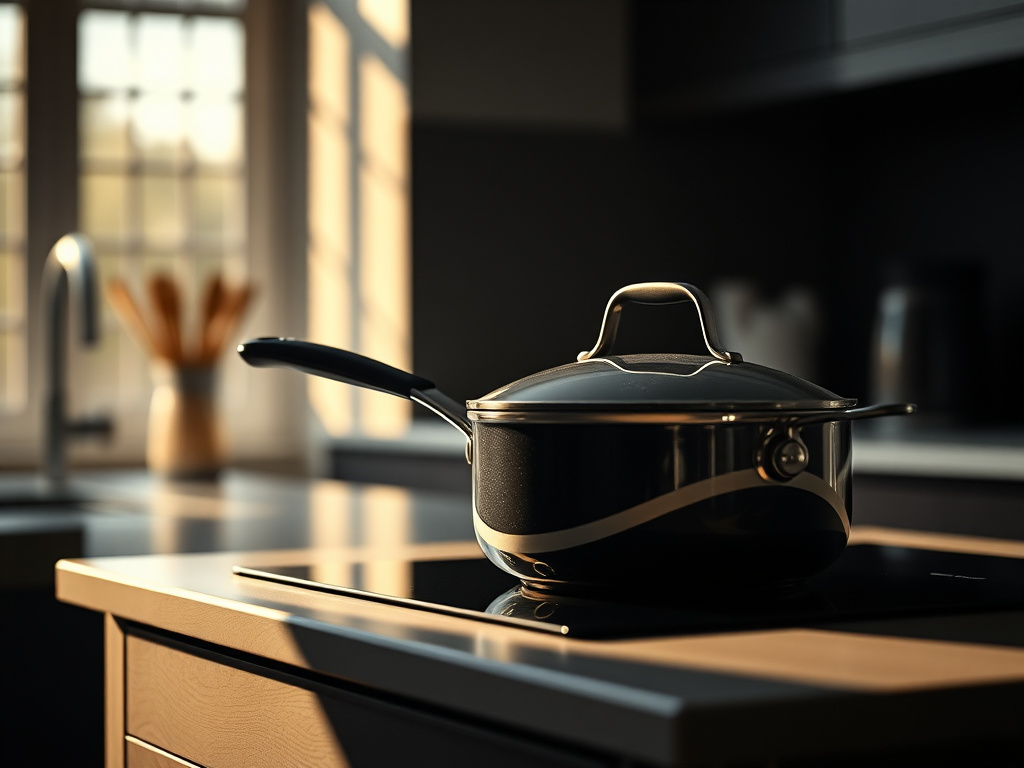
Solutions: How Induction-Ready Pans Are Engineered for Results
Materials That Work—and Why They Matter
- Cast Iron—unmatched thermal mass, perfect for induction. It heats slowly but retains and distributes high temperatures flawlessly. Want steakhouse crust? Cast iron is non-negotiable.
- Stainless Steel (with Magnetic Core)—often layered over an aluminum or copper core for fast, even heating. Only some stainless steels are magnetic; check grade 18/0 or 400-series for induction compatibility.
- Carbon Steel—similar to cast iron, but lighter and faster to heat. Excellent for high-heat and induction, as long as the base is thick enough.
- Aluminum and Copper (Bonded Base)—on their own, they don’t work with induction. When bonded to a magnetic stainless base, they become highly functional, giving you the conductivity of copper/aluminum and the induction response of steel.
How Induction Cookware Is Constructed
Induction pans often feature layered construction: a magnetic stainless steel disk fused to the base, sometimes with aluminum or copper inside for rapid, even heat. The best pans offer a thick, flat bottom—absolutely crucial for maximizing contact with the cooktop. Any warping, and you get cold spots, especially during high-heat searing.
Surface Texture and Searing Quality
Searing is all about maximizing brown crust through the Maillard reaction. Induction cookware with a thick, smooth base eliminates hot spots and helps you avoid the curse of gray, steamed protein. That’s why I never skip a pre-cook check: a warped pan or a thin base guarantees disappointment. Years of daily cooking have taught me the value of thirty extra seconds for setup—sloppy pans lead to uneven browning and hours of regret later.
Induction and High-Heat Searing: What to Expect
On an induction cooktop, a truly compatible pan heats up 20-50% faster than on gas or electric, especially if it has real heft. You’ll want to preheat your pan on medium-high, not max, for about 2-3 minutes to avoid scorching thin oils. Drop a steak, and the temperature doesn’t crash—thermal mass keeps the sear going strong. For more on the perfect pan for steak, see this expert-tested steak skillet guide.

Preventive Measures: How to Avoid Common Induction Pitfalls
Check Before You Cook
- Always use a magnet to ensure your pan is truly induction ready.
- Inspect the bottom for warping or unevenness—flatness is critical on induction for even heat.
- Choose the right size: for optimal performance, your pan should cover 60-100% of the burner area. Too small, and you waste induction energy; too large, and edges may stay cool.
Routine Maintenance for Consistent Results
- Keep bases scrupulously clean—any oil, debris, or scorch marks can interfere with magnetic contact and lead to uneven heating.
- Let pans cool before cleaning to avoid warping.
- For cast iron or carbon steel, maintain seasoning to retain natural nonstick and prevent rust. Stainless can be scrubbed with mild abrasives if needed.
Optimizing Your Sear: What High-Heat Looks Like on Induction
With induction, you can hit surface temperatures of 400–500°F in the right pan. You want to see oil shimmer and just begin to wisp smoke—then protein goes in. The drop in sizzle should be minimal. If you’re prepping a one-pan dish, such as creamy chicken pasta, the same rules apply: use induction-compatible pans with high sides and thick bases for both searing and simmering.
Understanding Induction Cookware: Key Details for Serious Cooks
What “Induction Cookware” Means in Practical Terms
The term refers specifically to pans built with magnetic materials that respond to induction cooktops’ unique heating method. But in practice, the best induction cookware combines that compatibility with the physical qualities—weight, thickness, surface—that matter most to performance-focused cooks.
When Induction Isn’t Enough: Why Build Quality Still Matters
Even a pan labeled “induction ready” can fall short if it’s too thin, warped, or unevenly constructed. For high-heat applications like steak or crispy chicken thighs (see our one-pan autumn chicken), you need more than just a magnetic base. Look for heavy, flat construction and proven materials. If your goal is a steakhouse-quality sear at home, never compromise on thermal mass—otherwise, you’re just chasing labels.
Summary Table: Magnetic Compatibility by Material
- Cast Iron: Yes, always works
- Carbon Steel: Yes, always works
- Stainless Steel: Only if magnetic (test with a magnet)
- Aluminum: Only if base is bonded to magnetic steel
- Copper: Only with bonded magnetic base
- Glass/Ceramic: Never works, regardless of thickness
Frequently Asked Questions
What does it mean when a pan is labeled as induction cookware?
This means the pan is built with a base containing enough magnetic steel to trigger and harness the magnetic field from an induction cooktop. Only pans with this magnetic quality will actually heat up on induction. For the highest-heat cooking, I always check both the magnet test and the pan’s overall mass before trusting it on the stove.
Can I use regular stainless steel pans on an induction stove?
Only some stainless steel pans work. If your pan is made with 18/0 or 400-series stainless (which is magnetic), it’s induction-ready. If it’s 18/8 or 18/10 (common in older or decorative pans), it likely won’t respond. A quick magnet test settles it: if it sticks, you’re good to go.
Why are heavy pans better for high-heat induction cooking?
Heavier pans provide greater thermal mass, meaning they store more heat and resist cooling when you add food. This is key for high-heat searing, as it prevents temperature drops that cause proteins to steam instead of brown. The result is a better crust, more consistent results, and easier cleanup.
How do I keep my induction pans performing their best?
Always keep the base clean and dry, as residue can interfere with heating. Avoid sudden temperature changes that might warp the base. For cast iron and carbon steel, maintain seasoning; for stainless, clean with non-abrasive pads. A pre-cook check for flatness and magnetism is my daily ritual—thirty seconds now saves hours of frustration later.
Can I cook all dishes in induction-ready pans?
Nearly any stovetop dish works if your pan is truly induction compatible and built for even heat. For multi-phase recipes—like those that start with a high-heat sear and finish with a simmer (think one-pot creamy chicken pasta)—choose pans with high sides and a substantial base for best results.