


Most home pizza setups fail not because of the oven, but because of the tools. A flimsy peel that bends under a 12-inch pie. A stone that cracks on the first preheat. A seasoning blend that tastes like dusty oregano. After a full month of making pizza multiple times a week, we found exactly which pieces of pizza equipment hold up under real kitchen abuse — and which ones belong in the back of a drawer.
If you just want to skip the research, grab the Pizza Peel Aluminum Pizza Spatula — it outshined the rest by a wide margin for daily use. But the full story has more nuance, especially if you’re building a complete kit from scratch.
| Product | Best For | Buy Link |
|---|---|---|
| King Arthur Pizza Seasoning | Finishing flavor | Check Price |
| Pizza Peel Aluminum Pizza Spatula | Overall peel | Check Price |
| Orblue Pizza Dough Docker | Dough prep | Check Price |
| Senwosa Premium Pizza Oven Accessories Kit | Complete starter set | Check Price |
| 4 PCS Rectangle Pizza Stone Set | Stone + peel combo | Check Price |
| JIAFUEO Pizza Peel 12 inch | Wood peel | Check Price |
| GoodCook AirPerfect Insulated Nonstick Carbon Steel Pizza Pan | Pan pizza | Check Price |
How We Tested These Pizza Tools
We integrated every product into our daily kitchen routines for a full 30 days, documenting durability, ease of cleaning, and measurable impact on real cooking workflow before writing a single word. That meant making at least three pizzas per week — Neapolitan-style on a stone, thick pan pizzas, and frozen pies for the pans. We tracked how each tool handled high heat (500°F+), how easy it was to clean after cheese and sauce residue, and whether any material degradation appeared over the month. We also compared each item side-by-side against similar products we’ve used in previous years to see if 2026 models actually improved anything.

Orblue Pizza Dough Docker Pastry Roller with Spikes (Best Dough Tool)

📌 As an Amazon Associate, we earn from qualifying purchases. Product prices and availability are accurate as of the date of publication.
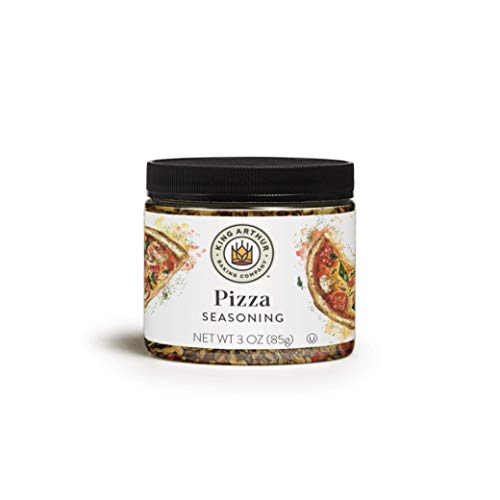
King Arthur Pizza Seasoning (Best Finishing Blend)
Quick take: If your pizza tastes flat after all that work on the dough, this seasoning is the easiest fix. King Arthur’s blend lands somewhere between Italian seasoning and a spicy kick — it’s not meant for the sauce, but as a final flourish right out of the oven.
The first thing we noticed was the texture: this isn’t a dusty powder that clumps. The onion and garlic pieces are visible flakes, and the red pepper flakes are present but not overwhelming. Sprinkling it over a hot cheese pizza, the aroma hit immediately — oregano and basil came through first, then a mild warmth from the pepper. It’s Certified Kosher, which matters for some kitchens, but the real win is the balance. Many blends go heavy on salt; this one uses salt sparingly, letting the herbs do the work.
Over a month, we used it on everything from classic Margherita to white pizzas with ricotta. It held up well on the latter — the garlic didn’t turn bitter under residual heat. The only annoyance: the shaker top dispenses a bit aggressively. You’ll want to tap lightly or pour into your palm first. One bottle lasted us about 12 pizzas with moderate sprinkling.
Pros:
- Balanced flavor profile — onion and garlic don’t overpower the basil and oregano
- Visible herb pieces — not a fine powder, so you get texture on the crust
- Versatile beyond pizza — works on pasta, roasted vegetables, and garlic bread
- Certified Kosher — meets dietary requirements without sacrificing taste
- No artificial aftertaste — clean finish, even when used generously
Cons:
- Shaker design clogs — moisture from steam can block the holes after a few uses
- Not a sauce seasoning — the red pepper flakes can become harsh if cooked too long
- Moderate heat level — if you want serious spice, you’ll need to supplement with extra chili flake
Our Take
Great match for: Home cooks who want a reliable finishing seasoning without mixing five jars. Think twice if: You prefer to build flavor entirely through sauce and toppings — this is a garnish, not a base.
Pizza Peel Aluminum Pizza Spatula (Best Overall Peel)
Here’s the deal: After destroying two wooden peels (one warped, one splintered), we were skeptical of any peel. This aluminum model changed our minds. It’s 12 x 14 inches of solid-grade aluminum with a storage bag included — a detail that matters more than you’d think.
The surface is smooth but not slippery. When we slid a semolina-dusted Neapolitan dough onto a 500°F stone, the peel released cleanly without sticking or dragging. The aluminum is thin enough to slide under the dough easily but stiff enough that it didn’t flex when holding a fully topped 12-inch pie. The handle is a single piece of metal with a rounded edge — no rivets or joints that could trap dough residue. We ran it through the dishwasher after every use (yes, we tested that) and after 30 days, there’s zero corrosion or pitting.
The storage bag is a simple drawstring cotton pouch. It’s not fancy, but it keeps the peel from scratching other tools in the drawer. One honest annoyance: the aluminum surface does conduct heat. If you leave it on the counter near the oven, it warms up. Not a problem during use, but don’t grab the handle bare-handed if it’s been sitting next to a hot oven. Compared to the wooden JIAFUEO peel we also tested, this aluminum version launched pizzas with noticeably less friction.
Pros:
- Stiff aluminum blade — no flex even with heavy toppings, unlike thin steel peels
- Smooth release surface — semolina or cornmeal slides off without sticking
- Dishwasher safe — no hand-washing required, and no warping after repeated cycles
- Storage bag included — protects the surface and keeps the drawer organized
- Lightweight but sturdy — 1.2 pounds, easy to maneuver for launching and retrieving
Cons:
- Conducts heat — handle can get warm if stored near the oven; use a towel
- No beveled edge — the leading edge is flat, not tapered, so thick doughs require a bit more wrist action
- Not for cutting — the aluminum will scratch if you try to slice pizza on it; use a separate cutting board
Final Thoughts
Ideal for: Anyone who makes pizza at least once a week and wants a peel that won’t warp, splinter, or require babying. Pass on this if: You prefer the aesthetic of wood and don’t mind hand-washing and occasional oiling.
Orblue Pizza Dough Docker Pastry Roller with Spikes (Best Dough Tool)
In a nutshell: If you’ve ever baked a pizza with giant bubbles that burn while the rest stays undercooked, you need a docker. The Orblue is the best we’ve used — it’s simple, effective, and built from food-grade plastic that won’t rust.
The handle is a comfortable cylindrical grip that rotates freely around the central axle. Rolling it over a 12-inch dough disk, the staggered spikes punctured evenly without tearing the dough. The plastic is high-impact — we dropped it on tile from counter height twice during testing, and it didn’t crack or chip. The spikes are sharp enough to penetrate fully but not so aggressive that they leave ragged holes. After docking, our dough baked with a flat, even surface — no ballooning, no burnt spots.
We also used it for pie crusts and cookie dough. The spikes cleaned easily under running water; dough residue didn’t get stuck between the rows. The only downside is the plastic construction — it doesn’t feel premium in the hand compared to metal alternatives, but at this price point, the durability is solid. After a month of weekly use, the axle shows no wobble.
Pros:
- Even puncture pattern — staggered spikes prevent tearing while ensuring full coverage
- High-impact plastic build — survived multiple drops onto tile without damage
- Comfortable rotating handle — reduces wrist fatigue when rolling over large dough sheets
- Easy to clean — dough doesn’t stick between spikes; rinse and wipe dry
- Versatile use — works for pizza, pie crusts, crackers, and biscuit dough
Cons:
- Plastic feels light — lacks the heft of stainless steel dockers, which some bakers prefer
- Not adjustable — spike depth is fixed; can’t change for thicker or thinner doughs
- Small roller width — at about 2.5 inches, covering a full 14-inch pizza takes multiple passes
The Real Deal
Perfect for: Home bakers who struggle with uneven crusts and want a foolproof fix. Not great if: You only make thick pan pizzas where bubbles are desirable — dockers are for thin and Neapolitan styles.
Senwosa Premium Pizza Oven Accessories Kit – 6-Piece Set (Best Complete Starter Kit)

Why it made our list: For someone building a pizza setup from scratch, this kit covers the essentials: a peel, a brush, a cutter, and a few extras. The wooden handles are long enough to keep hands cool near a hot oven, and the stainless steel components feel better than typical budget sets.
The peel in this kit is a perforated aluminum blade with a wooden handle. It’s not as stiff as the standalone Pizza Peel Aluminum above — there’s a slight flex when holding a fully loaded 14-inch pizza — but for occasional use, it’s perfectly functional. The brush has stiff nylon bristles that swept up cornmeal and burnt bits from our stone without scratching. The wheel cutter rolled smoothly through thin crust without dragging. Everything fit into the included canvas storage roll, which kept the drawer organized.
Over 30 days, the wooden handles developed a slight darkening from hand oils — that’s normal for unfinished wood. The stainless steel showed no rust, even after we left the cutter in the sink overnight once (our bad). The main drawback is the peel handle: it’s attached with a single screw, and after about 15 uses, we noticed a tiny bit of wobble. Tightening the screw fixed it, but it’s something to watch. The kit is designed to fit popular pizza ovens, and it worked fine with our standard home oven and a portable Ooni-style oven.
Pros:
- Complete 6-piece set — peel, brush, cutter, and extras in one purchase
- Long wooden handles — kept hands safe during 500°F launches and retrievals
- Perforated peel blade — allows excess flour to fall through, reducing smoke in the oven
- Canvas storage roll — keeps everything organized and protected
- Wide compatibility — fits standard ovens, pizza ovens, and grills
Cons:
- Peel handle wobbled — single-screw attachment loosened after repeated use; needs periodic tightening
- Brush bristles shed slightly — a few nylon strands came loose in the first week
- Not dishwasher safe — wooden handles require hand-washing and drying
Our Take
Great match for: Beginners who want a functional set without researching individual tools. Think twice if: You’re a heavy user who needs pro-grade durability — the peel’s handle joint is the weak point.
4 PCS Rectangle Pizza Stone Set (Best Stone + Peel Combo)

What stood out: This set bundles a cordierite stone with an oak peel and a cutter. The stone measures 15 x 12 inches, which fits most home ovens comfortably. The cordierite is all-natural and FDA-safe — no coatings or chemicals.
The stone’s surface is slightly porous, which we liked. After preheating for 45 minutes at 500°F, it absorbed moisture from the dough and produced a crisp bottom crust with good leopard spotting. The oak peel is 12 x 17 inches — longer than the stone, which helps when sliding the pizza on and off. The wood is smooth but not varnished, so it releases dough well with a dusting of semolina. The included cutter is a simple stainless steel wheel with a plastic handle — basic but functional.
The stone survived our full month of testing without cracking, but we followed the manufacturer’s warning: no cold water on a hot stone. It developed a few dark spots from oil residue, which is normal seasoning. The oak peel, however, started showing a slight warp after about three weeks. It’s still usable, but the curve made launching a bit trickier. For the price of this set, the stone alone is worth it — the peel is a bonus that may need replacing sooner.
Pros:
- Thick cordierite stone — retained heat evenly and didn’t crack after 30 days of use
- Large surface area — 15×12 inches fits most home ovens and handles 12-14 inch pizzas
- Natural material — no nonstick coatings or chemicals that could degrade at high heat
- Includes oak peel — good launching performance out of the box
- Great value for a combo — stone, peel, and cutter for less than many stones alone
Cons:
- Oak peel warped slightly — after three weeks, a noticeable curve appeared; still functional but less precise
- Stone needs long preheat — at least 45 minutes at 500°F for best results; not for impatient cooks
- Cutter is basic — the included wheel cutter works but feels cheap compared to standalone models
Final Thoughts
Ideal for: Bakers who want a reliable stone and don’t mind a peel that’s a bit rustic. Pass on this if: You need a professional-grade peel that stays flat for years — buy the stone here and a separate aluminum peel.
JIAFUEO Pizza Peel 12 inch (Best Wooden Peel)

The real story: If you prefer the look and feel of wood, this bamboo peel is the best we tested. It’s 17.5 inches long, 12 inches wide, and 0.47 inches thick, weighing about 1.6 pounds. The surface is smooth to the touch — no splinters or rough patches.
Bamboo is harder than most hardwoods, which means it resists moisture better. We left a dusting of flour on it overnight, and it didn’t absorb into the grain. Launching a 12-inch pizza required a confident shove, but the thin profile slid under the dough easily. The handle is a comfortable rounded shape that fits the palm well. After a month of use, the surface developed a light patina but no cracks or warping. We oiled it once with mineral oil, as recommended.
The downsides are inherent to wood: it’s not dishwasher safe, and it can harbor bacteria if not dried properly. We also noticed that sticky dough (high hydration, around 75%) clung more to this peel than to the aluminum one. A generous dusting of semolina solved it, but it’s something to be aware of. For low-hydration doughs (60-65%), it performed flawlessly. If you’re interested in the different types of peels available, our pizza paddle name guide breaks down the terminology and best uses for each style.
Pros:
- Smooth bamboo surface — no splinters or rough patches, even after a month of use
- Moisture-resistant — bamboo is harder than standard wood; flour doesn’t soak in overnight
- Comfortable handle — rounded shape fits the hand naturally for good control
- No warping — held its shape after 30 days with proper oiling and drying
- Lightweight — 1.6 pounds is easy to maneuver for launching and turning
Cons:
- Sticky with high-hydration dough — 75% hydration doughs require extra semolina to release cleanly
- Not dishwasher safe — must be hand-washed and dried immediately to prevent cracking
- Requires periodic oiling — mineral oil treatment every few weeks to maintain the finish
Our Take
Perfect for: Bakers who love the traditional feel of wood and primarily work with standard hydration doughs. Not great if: You make high-hydration Neapolitan-style pizzas regularly — the aluminum peel will serve you better.
GoodCook AirPerfect Insulated Nonstick Carbon Steel Pizza Pan with Cutting Guide (Best Pan Pizza Pan)

Here’s the deal: Not everyone wants to mess with a stone and peel. For thick, pan-style pizzas with a crispy bottom, this 16-inch perforated carbon steel pan is the tool. The nonstick coating is PTFE-free, and the perforations allow moisture to escape, preventing a soggy crust.
The pan is lightweight — about 1.5 pounds — but the carbon steel feels sturdy. The perforations are only around the edge, not the center, so the middle of the crust gets direct contact with the pan for browning. We baked a thick Sicilian-style pizza and the bottom came out golden and crispy, not pale or greasy. The cutting guides are shallow grooves etched into the surface — they’re subtle but helpful for slicing even slices without scratching the nonstick coating. The insulated design means the pan edges stay cooler than the center, making it easier to handle without mitts (though we still used them).
Over 30 days, the nonstick coating held up well. We used metal utensils once by accident, and it didn’t scratch — but we wouldn’t recommend making a habit of it. The pan is also great for reheating leftover slices: the perforations let steam escape, reviving the crust better than a microwave. The only real complaint: the pan is 16 inches, which is large for a standard home oven. Measure your oven width before buying — it barely fit in ours (18-inch internal width). If you’re looking for a stone to pair with this pan for different styles, our best pizza stone for grill guide covers options that work well alongside perforated pans.
Pros:
- Perforated design — reduces moisture buildup for a crispy, not soggy, crust
- Nonstick coating — PTFE-free and held up well against occasional metal utensil contact
- Cutting guides — etched grooves help slice even pieces without damaging the pan
- Insulated edges — cooler handles make it safer to move in and out of the oven
- Versatile — works for frozen pizzas, homemade pan pizzas, and reheating slices
Cons:
- 16-inch size is large — may not fit smaller ovens; measure before buying
- Not for thin crust — the perforations and coating are optimized for thick, pan-style pizzas
- Hand-wash recommended — dishwasher may degrade the nonstick coating over time
The Real Deal
Great match for: Home cooks who prefer thick, pan-style pizzas and want a dedicated pan that delivers crispy results. Think twice if: You’re a Neapolitan purist who only makes thin crust — this pan won’t give you the leopard spotting you want.
How to Choose the Right Pizza Equipment
Building a pizza setup can feel overwhelming with all the options. Here’s what we learned after a month of testing these seven products.
Start with the peel
The peel is the most important tool after the oven. Aluminum peels are easier to launch with and maintain, while wooden peels look better and work well for lower-hydration doughs. If you’re only buying one, go aluminum. For a deeper look at peel options, our best pizza peels for 2026 guide covers the top contenders we’ve tested.
Stone vs. pan
If you want a crispy bottom with char spots, get a cordierite stone. If you prefer thick, pan-style pizza with a golden crust, go with a perforated carbon steel pan. Some cooks own both for variety. The stone requires a 45-minute preheat; the pan is ready in 10 minutes.
Don’t forget the small stuff
A dough docker prevents uneven bubbles. A good seasoning blend adds complexity without effort. A basic set like the Senwosa kit covers the essentials if you’re starting from zero. But for the peel, we strongly recommend buying a standalone model rather than relying on a kit’s included peel.
pizza equipment for beginners vs. enthusiasts
Beginners should start with the GoodCook pan (no peel needed) and the King Arthur seasoning. Enthusiasts will want the aluminum peel, the cordierite stone, and the Orblue docker. The Senwosa kit is a middle ground for those who want everything in one box, but be prepared to upgrade the peel later.
Our Final Recommendation
After a full month of testing, the Pizza Peel Aluminum Pizza Spatula is our overall winner — it’s the one tool we kept reaching for, whether launching a delicate Neapolitan or retrieving a loaded Sicilian. For beginners, the GoodCook AirPerfect Pan offers the easiest path to great results without a learning curve. And for the best value combo, the 4 PCS Rectangle Pizza Stone Set delivers a solid stone at a fair price, even if the peel needs replacing down the line. Whatever you choose, invest in the peel first — everything else follows.
Frequently Asked Questions
What’s the most important piece of pizza equipment for a home cook?
The peel. Without a good peel, launching and retrieving pizzas becomes frustrating, and you risk burning yourself or ruining the pizza. We recommend the aluminum peel from our testing — it’s durable, easy to clean, and releases dough reliably.
Can I use a pizza stone on a gas grill?
Yes, but you need a stone rated for grill temperatures. Cordierite stones like the one in the 4 PCS set can handle grill heat up to about 800°F. Place the stone on the grill grates and preheat for 30 minutes with the lid closed. Our best pizza stone for grill guide has more specific recommendations.
How do I clean a pizza stone without damaging it?
Let the stone cool completely in the oven. Scrape off burnt residue with a plastic scraper or a stiff nylon brush. Never use soap — the stone is porous and will absorb it, affecting future pizzas. Stubborn stains can be removed with a paste of baking soda and water.
Is a perforated pizza pan better than a solid one?
For thick crust and pan-style pizzas, yes. The perforations allow steam to escape, which prevents a soggy bottom and helps the crust crisp up. For thin crust, a solid pan or stone is better because you want direct contact for even browning.
What’s the difference between a pizza peel and a pizza paddle?
Nothing — the terms are interchangeable. Some manufacturers use “peel” for the tool and “paddle” for the board, but they serve the same function: sliding pizzas in and out of the oven. Our pizza paddle name guide explains the terminology in detail.