


Welcome back to my kitchen! Today, we are tackling something truly special. A real holiday centerpiece. I’m talking about a Roasted Cajun Turkey that will have your guests completely speechless.
Thanksgiving and holiday dinners can feel incredibly stressful. The pressure to deliver a perfect bird is very real. We all have that one nightmare in the back of our minds. You know the one. Dry, flavorless turkey that nobody wants a second slice of.
You can leave those worries behind right now.
This recipe is your ultimate guide to poultry success. I’ll walk you through every single step. We are going to build layers of incredible flavor. A savory dry brine. A rich, herb-packed compound butter. And even a special cheesecloth trick that locks in moisture like absolute magic.
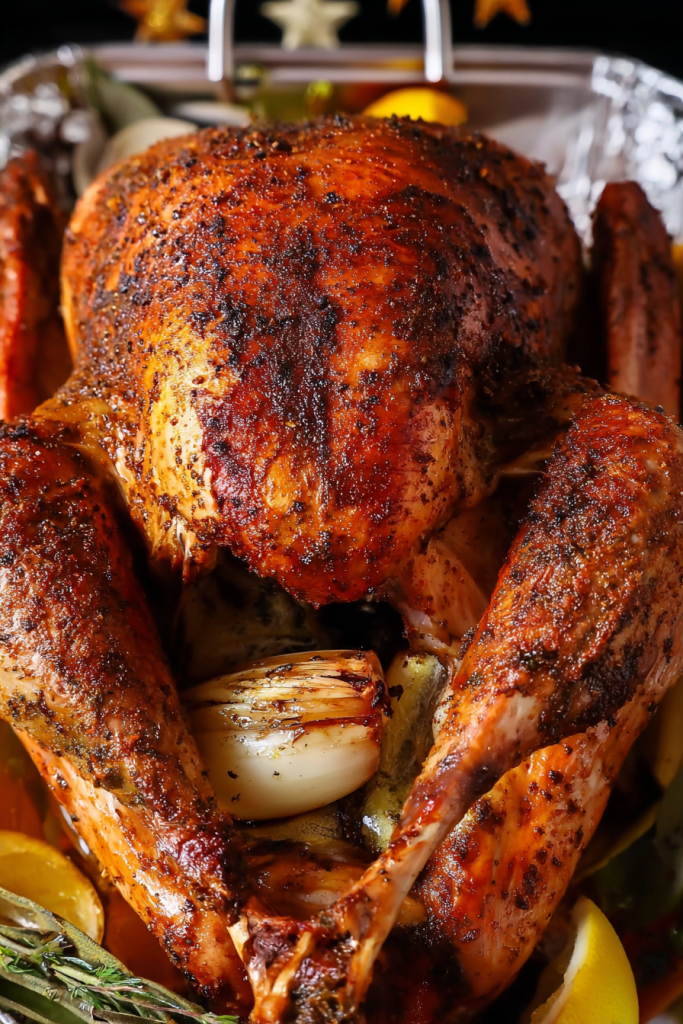
Here is what I love most about this recipe. It is not overwhelmingly spicy. Not even close. Instead, it delivers a deep, warm, and smoky flavor profile that feels like a warm hug on a cold November evening. The Cajun spices blend perfectly with classic poultry herbs. Fresh rosemary, thyme, sage, and oregano bring beautiful earthy notes. Smoked paprika adds a gorgeous golden-orange color and a hint of that barbecue essence we all adore. And fresh lemon juice cuts right through the rich butter to keep everything balanced.
Your guests will absolutely beg for this recipe. I promise you that.
But before we dive in, let us talk timing. Good food takes a little patience. Planning ahead is the real secret to a stress-free kitchen.
Recipe Timing and Details
| Prep Time | Cook Time | Brine Time | Total Time | Servings | Difficulty |
|---|---|---|---|---|---|
| 45 minutes | 3 to 4 hours | 12 to 24 hours | Approx. 16 hours | 12 to 15 | Medium |
What You Will Need
Quality ingredients make a massive difference when roasting a large bird. I always recommend finding a fresh turkey if at all possible. Fresh meat holds moisture so much better than frozen. It also saves you days of dealing with the thawing process.
Here is exactly what you need to gather before you start.
| Ingredient | Quantity | Notes |
|---|---|---|
| Fresh Turkey | 1 (12-15 lb) | Plan for about 1 lb per person. |
| Yellow Onions | 2 | Chopped large. Sweet onions work too. |
| Large Carrots | 3 | Roughly chopped for the pan and cavity. |
| Lemons | 2 | Quartered. Brings bright acidity. |
| Celery Stalks | 4 | Roughly chopped. |
| Chicken or Turkey Stock | 16 oz | Ask your local butcher for fresh stock! |
| Apple Juice or Cider | 4 oz | Adds a wonderful hint of tart sweetness. |
| Unsalted Butter | 2 lbs | Must be at room temperature. |
| Fresh Rosemary | 1 tbsp | Chopped very fine. |
| Fresh Oregano | 1 tbsp | Chopped very fine. |
| Fresh Thyme | 1 tbsp | Chopped very fine. |
| Fresh Sage | 1 tbsp | Chopped very fine. |
| Cajun Seasoning | 1 tbsp | Adjust slightly if you prefer less salt. |
| Smoked Paprika | 1 tbsp | Gives the bird a beautiful golden-orange hue. |
| Fresh Lemon Juice | 1 tbsp | Squeezed fresh. Avoid bottled juice. |
| Black Pepper | 1 tsp | Freshly cracked is always best. |
| Kosher Salt | 1 tbsp per 5 lbs | Used exclusively for the overnight dry brine. |
| Additional Salt | To taste | Use caution. The turkey is already brined. |
Tools You Will Need
You need a few special tools for this method. Do not skip these. They make a real difference.
- A sturdy roasting pan with a wire rack
- Clean, food-grade cheesecloth
- A meat injector (this is absolutely crucial for maximum juiciness)
- A reliable digital meat thermometer
That last one is non-negotiable. Never guess when poultry is done cooking.
How to Make Roasted Cajun Turkey
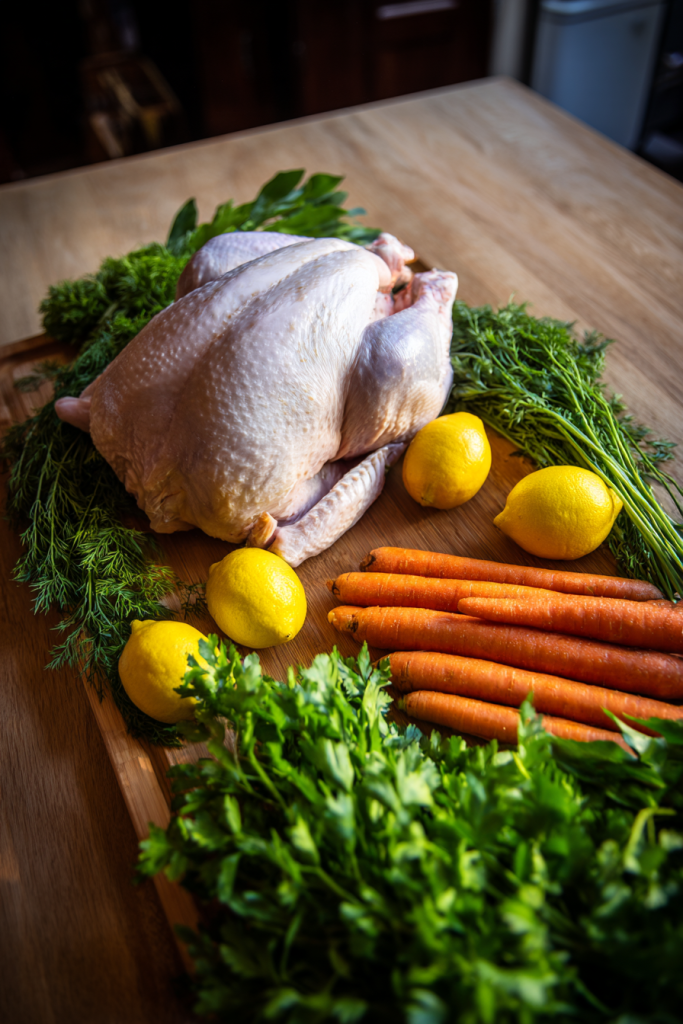
Step 1: The Crucial Dry Brine
We begin the night before roasting. Yes, the night before. This step is what separates an ordinary turkey from an extraordinary one.
Remove your fresh turkey from its packaging. Pat the bird completely dry using paper towels. Moisture on the surface is the enemy of crispy skin. Calculate your salt based on the turkey’s weight. The rule is simple: one tablespoon of Kosher salt per five pounds of bird. Rub this salt generously all over the turkey. Get it everywhere.
Place the turkey uncovered in your refrigerator. Let it rest there for at least six hours. Overnight is highly preferred for the best results. Here is what actually happens during this process. The salt draws out moisture from the meat. That moisture then gets reabsorbed back in. This deeply seasons and tenderizes the meat from the inside out. The cold fridge air also dries out the surface of the skin. Dry skin is what crisps up beautifully in a hot oven.
One important thing to remember. Do not rinse the turkey the next day. Just leave that beautiful brined skin exactly as it is.
Step 2: Crafting the Compound Butter
Take your turkey out of the fridge early on cooking day. Let it sit at room temperature for two full hours. Cold meat cooks unevenly in a hot oven. While it warms up, we will make the star of this whole recipe: the compound butter.
Place your room-temperature unsalted butter into a large bowl. Now add:
- Rosemary, oregano, thyme, and sage
- Cajun seasoning and smoked paprika
- Black pepper and fresh lemon juice
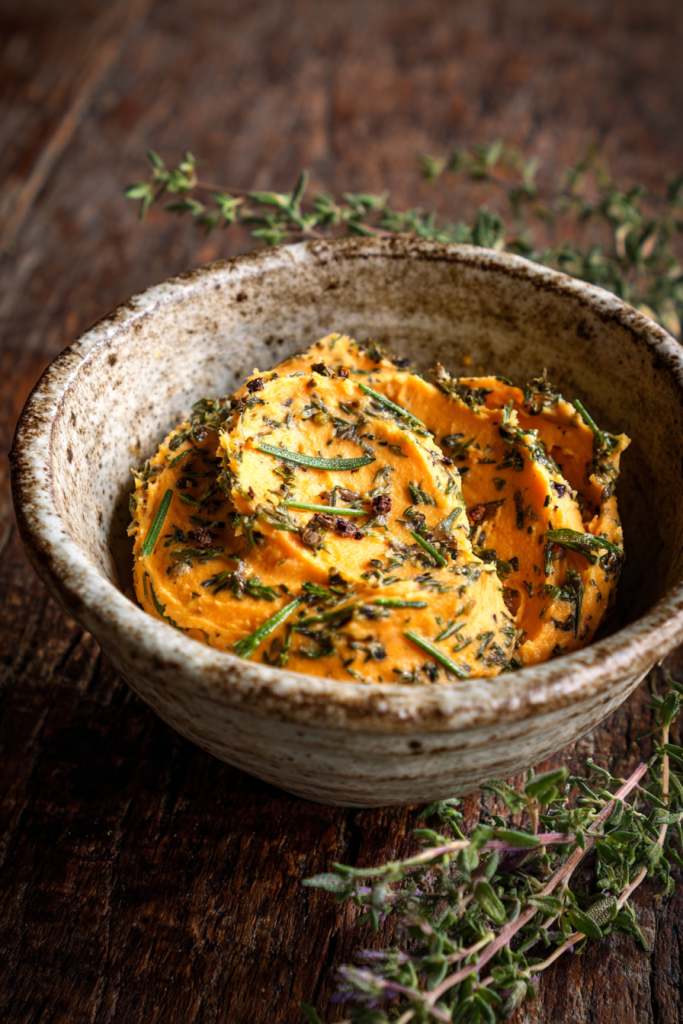
Mash everything together until it is perfectly blended. The butter should take on a gorgeous deep orange color. If it looks a little pale, add a pinch more paprika. Once it looks and smells incredible, set it aside.
I made this butter for the first time three years ago and honestly could not believe how good it smelled. It is like autumn in a bowl.
Step 3: Buttering the Bird
Preheat your oven to a hot 400 degrees Fahrenheit.
Carefully separate the skin from the turkey breast. Slide your fingers gently under the skin. Be patient here. Try your hardest not to rip or tear it.
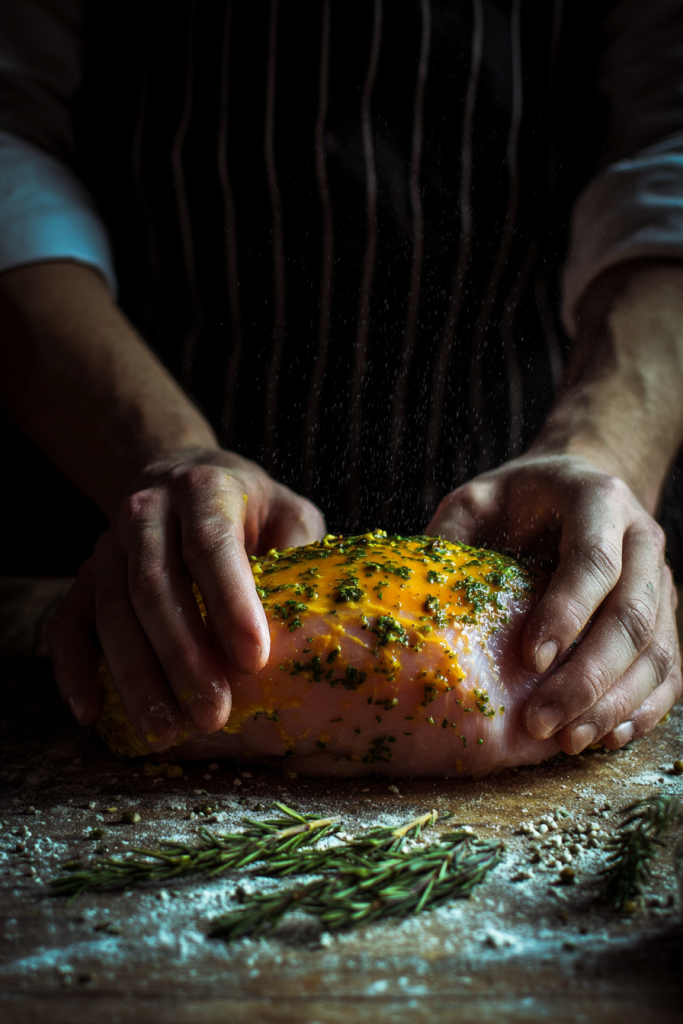
Take handfuls of your compound butter. Massage it directly onto the meat underneath the skin. Then smear a thick, generous layer all over the outside. Cover the legs, the wings, and the back. You should use about half of your total butter at this stage.
Step 4: Stuffing and Prepping the Pan
Take half of your chopped carrots, onions, and celery. Stuff them right into the turkey’s main cavity. Add half of your quartered lemons in there as well. Use simple kitchen twine to tie the legs together neatly. This helps the bird cook evenly from all sides.
Place the remaining vegetables and lemons into your roasting pan. Pour the chicken stock and apple juice over them. Set your wire roasting rack inside the pan. Then place your beautifully buttered turkey right on top.
Step 5: The Initial Hot Roast
Place the roasting pan into your hot 400-degree oven. Cook the turkey uncovered for exactly 45 minutes. This high initial blast of heat is what jumpstarts the skin crisping process. Do not skip this part. It is doing important work.
After 45 minutes, pull the pan from the oven. Immediately lower your oven temperature down to 325 degrees Fahrenheit. Now we move to the magic part.
Step 6: The Cheesecloth Trick and Butter Injection
Take the remaining half of your compound butter. Melt it gently in a small saucepan over low heat. While it melts, take your clean cheesecloth and soak it in the melted butter. If the cloth is very large, cut it down to a size that fits the bird.
Now grab your meat injector. Fill it with the melted butter. Inject it deep into the turkey meat. Hit the breasts, the thighs, and the thick part of the legs. Aim for about eight different injection spots across the whole bird. If you have leftover butter in the syringe, keep injecting. More is more here.
Step 7: Low and Slow Roasting
Drape the butter-soaked cheesecloth over the entire turkey. It should fit snugly, almost like a wet t-shirt. This cloth is doing an incredible job protecting the breast meat from the dry oven air.
Place the turkey back into the 325-degree oven. Roast for another two to three hours.
Check the internal temperature every 45 minutes without fail. You can baste the cheesecloth with pan drippings occasionally if you like. Do not remove the cheesecloth during this phase. Leave it right where it is until the very end.
Step 8: The Finish Line
Your Roasted Cajun Turkey is done when the internal temperature hits 165 degrees Fahrenheit. Insert your thermometer into the thickest part of the breast. Make sure the probe does not touch any bones. A bone reading will give you a false result.
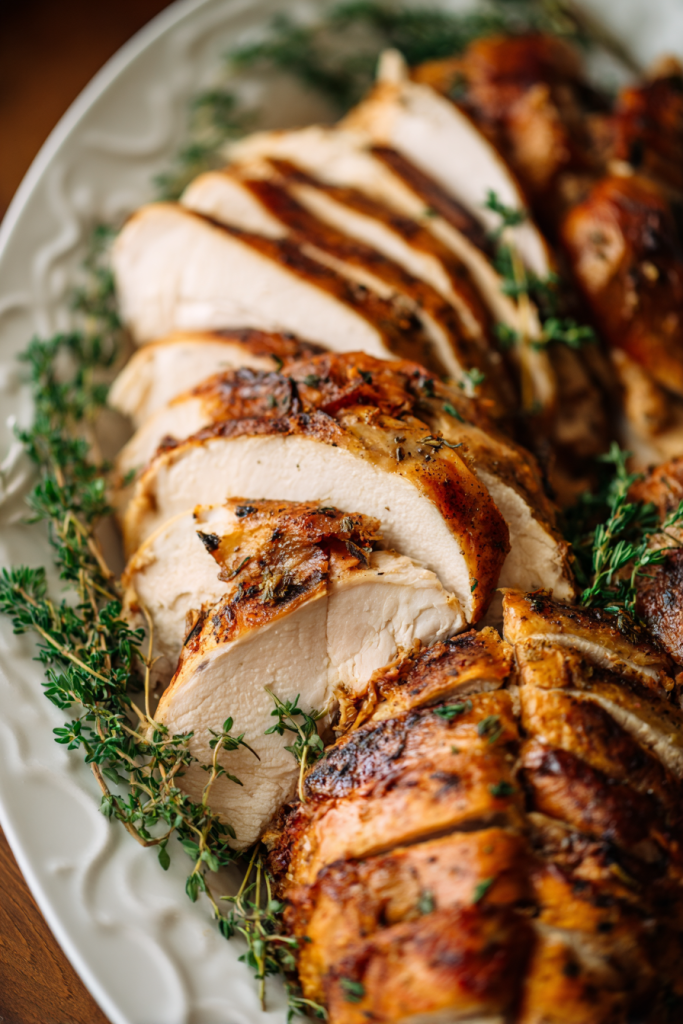
Once it hits 165, pull it from the oven. Remove the cheesecloth carefully and discard it. Now comes the hardest part of the whole recipe. You must let the turkey rest for at least one full hour before carving. I know. The kitchen smells incredible and everyone is hungry. But this resting time is critical. The juices need time to redistribute back through the meat. If you slice it immediately, those beautiful juices will just run right out onto your cutting board.
Wait the hour. It is worth every single minute.
Frequently Asked Questions
Even with a detailed guide, questions always come up. Roasting a large turkey is an investment of time and money. You want to get it right. Here are the most common questions I hear about this recipe.
Can I skip the dry brining step entirely?
Technically, yes. But I really hope you do not. Dry brining is the single biggest secret to getting that crackling crispy skin. It also ensures the meat is seasoned all the way through to the bone, not just on the surface. One important exception though: if you bought a turkey that is already pre-brined or pre-seasoned, skip this step entirely. Adding more salt to a pre-brined bird will make it far too salty to enjoy.
What if I cannot find a fresh turkey at the store?
Do not panic. A frozen turkey works just fine. You simply need to account for the thawing time. A large 12 to 15 pound turkey can take three to four days to fully thaw in the refrigerator. Never thaw a turkey on the kitchen counter at room temperature. That is a food safety issue. Once it is completely thawed, proceed with the recipe exactly as written.
Do I absolutely need the cheesecloth?
The cheesecloth is a classic technique for locking in moisture during a long roast. It works as a protective layer over the delicate breast meat. If you genuinely cannot find one, you can adapt. You will simply need to baste the turkey more actively instead. Spoon the pan drippings over the entire bird every 45 minutes throughout the roasting process.
Can I make the compound butter ahead of time?
Yes, and honestly it is a brilliant idea. You can prepare the butter up to three days in advance. Wrap it tightly and keep it in the refrigerator. The herbs and spices will actually meld together even more beautifully as they sit. Just remember one thing: bring the butter back to full room temperature before you try to use it. Cold butter will tear right through the turkey skin when you try to spread it.
How do I know if I used too much salt?
This is exactly why tasting your compound butter before applying it is so important. The Cajun seasoning already contains salt. And you already dry-brined the bird overnight. Taste your mixed butter before it goes anywhere near the turkey. If it tastes excessively salty, add a little more unsalted butter to dilute it down. Always trust your own palate. Your taste buds are the most reliable tool in your kitchen.
I hope this guide gives you the confidence to take on your holiday turkey this year. Cooking should be an enjoyable, rewarding experience. Not a stressful one. Trust the process, use your thermometer, rest your bird, and get ready to enjoy one spectacular Cajun feast.
Roasted Cajun Turkey
Ingredients
Turkey & Roasting Base
- 1 Fresh Turkey 12-15 lb. Plan for about 1 lb per person.
- 1 tbsp Kosher Salt per 5 lbs of turkey, for the overnight dry brine
- 2 Yellow Onions Chopped large. Sweet onions work too.
- 3 Large Carrots Roughly chopped for the pan and cavity.
- 4 Celery Stalks Roughly chopped.
- 2 Lemons Quartered.
- 16 oz Chicken or Turkey Stock Fresh stock is best.
- 4 oz Apple Juice or Cider
Compound Butter
- 2 lbs Unsalted Butter Must be at room temperature.
- 1 tbsp Fresh Rosemary Chopped very fine.
- 1 tbsp Fresh Oregano Chopped very fine.
- 1 tbsp Fresh Thyme Chopped very fine.
- 1 tbsp Fresh Sage Chopped very fine.
- 1 tbsp Cajun Seasoning Adjust slightly if you prefer less salt.
- 1 tbsp Smoked Paprika
- 1 tbsp Fresh Lemon Juice Squeezed fresh.
- 1 tsp Black Pepper Freshly cracked.
Instructions
- The Crucial Dry Brine: The night before roasting, remove the turkey from packaging and pat completely dry. Calculate your salt (1 tbsp Kosher salt per 5 lbs). Rub generously all over the turkey. Place uncovered in the refrigerator for at least 6 hours, preferably overnight. Do not rinse the next day.
- Crafting the Compound Butter: Take the turkey out of the fridge 2 hours before cooking. In a large bowl, mash the room-temperature butter with rosemary, oregano, thyme, sage, Cajun seasoning, smoked paprika, black pepper, and fresh lemon juice until perfectly blended.
- Buttering the Bird: Preheat oven to 400°F. Carefully separate the skin from the turkey breast with your fingers. Massage half of the compound butter directly onto the meat underneath the skin, and smear the rest over the outside (legs, wings, back).
- Stuffing and Prepping the Pan: Stuff half of the chopped carrots, onions, celery, and lemons into the main cavity. Tie the legs together with kitchen twine. Place the remaining vegetables and lemons into a roasting pan, pour the stock and apple juice over them, set a wire rack inside, and place the turkey on top.
- The Initial Hot Roast: Roast the turkey uncovered at 400°F for exactly 45 minutes to jumpstart skin crisping. Then, lower the oven temperature to 325°F.
- The Cheesecloth Trick and Injection: Melt the remaining half of the compound butter in a saucepan. Soak a clean cheesecloth in it. Use a meat injector to inject the melted butter deep into the breast, thighs, and legs (about 8 spots).
- Low and Slow Roasting: Drape the butter-soaked cheesecloth snugly over the entire turkey. Return to the 325°F oven and roast for another 2 to 3 hours. Check internal temperature every 45 minutes. Leave the cheesecloth on.
- The Finish Line: The turkey is done when the thickest part of the breast reaches 165°F (avoiding bones). Remove from oven, discard the cheesecloth, and let the turkey rest for at least 1 full hour before carving.
