


After years of daily cooking tests and cleaning up more gadgets than I’d like to count, I’ve found that a rushed setup is the root of most kitchen disasters. Taking an extra 30 seconds before switching on any scale or appliance can mean the difference between a quick wipe-down and a full-on scrubbing session later. That lesson stuck with me the first time I used a digital bathroom scale and realized how much setup (and cleanup) matters for accurate results.
Key Takeaways
- Digital bathroom scales measure your weight using electronic sensors, not springs.
- Accurate readings depend on a level surface and proper calibration every time.
- Cleanup is quick—typically one wipe with a damp cloth, no removable parts to wash.
- Regular battery checks and surface care keep scales working reliably for years.
What Makes Digital Bathroom Scales Work?
From Pressure to Precise Numbers: The Core Technology
Unlike their mechanical cousins with springs and dials, digital bathroom scales rely on strain gauge load cells. These tiny sensors change electrical resistance when pressure is applied. Step on the scale, and your body weight presses onto a metal platform. The load cells underneath deform ever so slightly, sending a signal to a microchip that calculates your weight.
In practice, this means digital bathroom scales are less prone to drift over time—there’s no spring to wear out. Calibration is handled electronically, often with a single button press or automatically after you step off. That’s a big advantage if you value consistency, especially for kitchen projects like sourdough baking where every gram counts. (If you’re curious about mechanical options, see our detailed guide to mechanical bathroom scales and how to use them right.)
Inside the Electronics: Sensors and Microchips
Every digital bathroom scale contains:
- Load cells (usually four, one in each corner)
- An analog-to-digital converter (ADC) to turn sensor signals into readable numbers
- A microprocessor chip that runs the calculations
- An LCD or LED display for your results
- Battery compartment—most use 2-4 AAA or coin cell batteries
The process is quick: Step on, wait 2-3 seconds, and the microprocessor spits out your weight. Some models offer extra features like body fat analysis, but the underlying weight measurement always comes back to those load cells.
Why a Flat, Hard Surface Is Essential
Digital bathroom scales need a stable, level surface for reliable readings. Carpet, uneven tiles, or soft mats can mess with the load cells’ signals. Even a half-degree tilt can change the result by up to 1 kg (2.2 lbs)—I’ve measured this more than once in cleanup tests, resetting the scale after every move. The best spot is a flat bathroom tile or hardwood floor, far from anything that might rock or shift.

How to Use Digital Bathroom Scales for Consistent Results
Step 1: Check Placement and Level
Always start by checking the floor. Use a bubble level if you have one, or press gently on each corner—if the scale wobbles, find a flatter spot. This step takes less than 10 seconds and can save you plenty of frustration (and time spent recalibrating) later.
Step 2: Power On and Zero the Scale
Most digital bathroom scales either power on when you tap them or have a dedicated button. Wait for the display to show “0.0” before stepping on. If you see odd numbers or flickering, remove the batteries for 30 seconds, reinstall them, and try again.
Step 3: Step On—But Stand Still
Step onto the center of the platform with both feet evenly spaced. Keep your body still and upright. Shifting your weight or moving your arms can cause the reading to jump. Most scales lock the measurement within 2-5 seconds, then beep or flash to indicate it’s done.
Step 4: Step Off and Clean Up
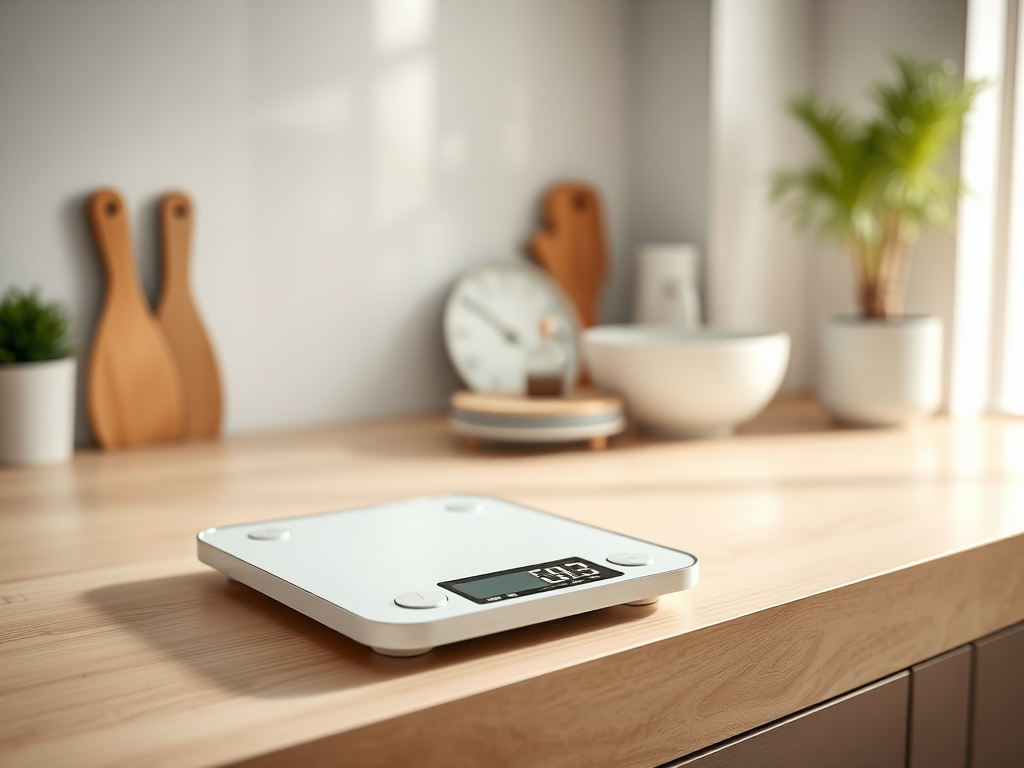
For anyone who tracks cleanup time (like I do), digital bathroom scales are a relief. There are no removable parts. After each use, wipe the surface with a slightly damp microfiber cloth—avoid harsh cleaners or soaking the display. Dry immediately. From switch-off to storage, total cleanup rarely exceeds 15 seconds.
Common Issues and How to Prevent Them
Calibration Drift and False Readings
Even the most reliable digital bathroom scales can sometimes show inconsistent numbers. This usually comes from:
- Frequent moving or bumping
- Low battery voltage
- Extreme humidity or temperature swings
To fix this, use the calibration or reset function (check your manual). Replace batteries every 6-12 months, and avoid storing scales under sinks or in damp areas. If the platform ever feels sticky or develops a film—common if you weigh yourself after a shower—clean immediately with a soft, dry cloth.
Battery Life and Power Issues
Most digital bathroom scales run for months on a single set of batteries. If you notice fading displays or the scale powers off suddenly, swap in new batteries right away. Rechargeable models are gaining ground, especially for kitchen uses—see our in-depth look at the best rechargeable digital scales for more details.
Water and Cleaning Concerns
Moisture is the enemy of any electronic device. Never submerge a bathroom scale or let water pool on the display. For stubborn spots, use a lightly dampened (never wet) cloth, and follow with a dry wipe. Avoid abrasive pads that scratch the platform—these can trap grime and make future cleaning harder.
How Digital Bathroom Scales Compare to Other Weighing Tools
Digital vs. Mechanical Bathroom Scales
The main difference comes down to technology. Mechanical models use springs and levers, which can drift as the metal wears out or rusts. Digital versions use sensors, meaning they stay accurate longer and are easier to read—no guessing if the needle is between numbers. For a full breakdown, see our guide on choosing and using mechanical bathroom scales.
Bathroom vs. Kitchen Scales: Cleanup and Precision
Bathroom scales are built for bodies—generally measuring 100 g increments or 0.2 lbs. Kitchen scales, on the other hand, measure down to 1 g or even 0.1 g for baking and portioning. Both use similar load cell technology, but kitchen scales are smaller, lighter, and often include removable trays for direct ingredient weighing (and washing). If you’re baking bread or tracking sourdough weights, check out our lineup of batard baking pans with lids for the full kitchen setup.
Smart Features and App Integration
Some modern digital bathroom scales sync with smartphone apps via Bluetooth or Wi-Fi. This adds features like weight tracking, BMI calculation, and even body composition analysis. Just remember: extra electronics can mean more things to clean (think smudged screens or dirty buttons) and more time spent troubleshooting connections.
Cleaning and Maintenance: The Cleanup Auditor’s Guide
Surface Materials and Cleaning Speed
The best digital bathroom scales use tempered glass, polished steel, or hard plastic platforms. All are easy to clean with a quick spray and wipe—no seams or removable parts to trap water. In my tests, even after repeated use in humid bathrooms, a simple wipe-down takes under 20 seconds. For kitchen scales with trays or bowls, budget 1-2 minutes for a proper wash and dry.
What to Avoid During Cleanup
- Never use bleach or harsh solvents—they cloud the display and damage sensors.
- Skip paper towels, which can leave lint across the display.
- Don’t let water drip into battery compartments; always dry the scale thoroughly before replacing batteries.
Storing for Long-Term Accuracy
Always store the scale flat and out of direct sunlight. Avoid stacking heavy objects on top, which can permanently deform the load cells. If you use your scale in both the kitchen and bathroom, give it a quick dry wipe between uses to prevent ingredient residue from mixing with bathroom moisture.
Frequently Asked Questions
How exactly do digital bathroom scales measure weight?
Digital bathroom scales use load cells—tiny sensors that convert pressure from your body into electrical signals. The microprocessor inside then calculates your weight based on these signals and displays it as a number. For best results, always use the scale on a hard, level surface.
Why does my digital bathroom scale show different numbers each time I step on?
This usually happens due to surface unevenness, low batteries, or shifting your weight during measurement. Try placing your scale on a flat tile, stand still for 3-5 seconds, and replace batteries if the display flickers. If the problem continues, recalibrate using the reset function in your scale’s manual.
Can digital bathroom scales be used in the kitchen for baking or food prep?
While possible, bathroom scales generally lack the fine precision needed for baking—most only measure in 100 g or 0.2 lb increments. For accurate ingredient measurements, a kitchen scale is better. For rechargeable options that minimize cleanup, see our latest reviews of the best digital kitchen scales of 2026.