


Few baking experiences frustrate more than pulling a cake from the oven and finding scorched edges with a soggy middle, especially after painstakingly preparing a batter for a special occasion. Using a heart-shaped baking pan raises the stakes—uneven browning, stuck corners, and lopsided layers often leave bakers wondering what went wrong. Over years spent testing bakeware, I’ve learned that most kitchen mishaps start long before the oven is hot. Those extra seconds spent carefully checking and prepping your tools, particularly specialty pans like these, save hours of mess and regret later.
Key Takeaways
- Even heat distribution is critical for heart-shaped pans to avoid dense or undercooked centers.
- Proper greasing and flouring prevent sticking, especially in sharp corners and along curves.
- Preheating the oven and allowing the pan to reach room temperature improve baking consistency.
- Precision in batter spreading ensures uniform thickness and beautiful cake edges.
Common Causes of Uneven Results with Heart-Shaped Pans
Irregular Heat Distribution
Heart-shaped pans introduce unique challenges for heat flow. The pointed base and rounded lobes mean batter thickness varies, causing the center and tips to cook at different rates. Aluminum models typically conduct heat well, but even then, the pan’s shape can create hot and cold spots. If the material is too thin or dark, the edges brown rapidly while the center lingers uncooked.
Improper Pan Preparation
Missing a corner while greasing or flouring is easy with these pans. Batter clings to the tight curve at the point or the crevice at the top, risking breakage during unmolding. Even tiny gaps in the coating allow cake to stick and tear.
Inaccurate Oven Temperatures
Many home ovens run hotter or cooler than their dials suggest. In a specialty pan, a small temperature error results in dry edges and a sunken middle. Skipping the simple step of using an oven thermometer is a recipe for frustration.
Batter Distribution Mistakes
Pouring batter unevenly causes one lobe of the heart to puff higher than the other. If the pan sits crooked in the oven, gravity pushes batter to one side, compounding the problem. This can also affect recipes like creamy pastas, where even cooking is crucial for texture.
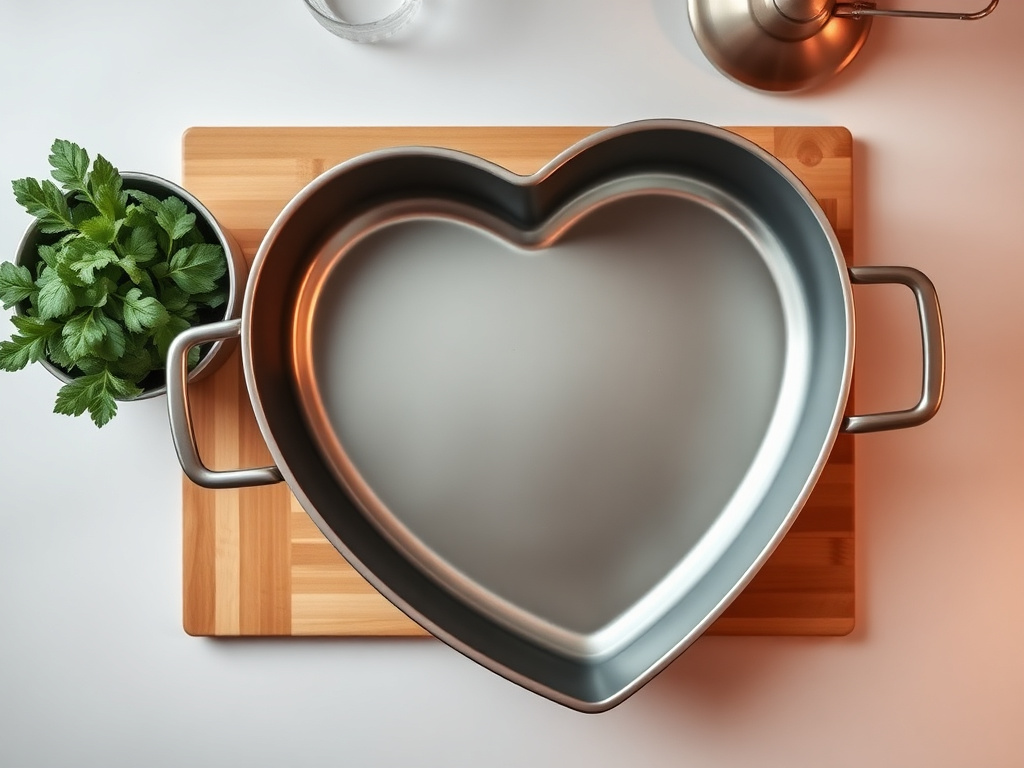
Solutions for Consistent, Beautiful Bakes
Choose the Right Material and Gauge
Precision baking starts with the pan’s composition. Look for a heart-shaped model with a medium-thickness aluminum or light-colored steel build—these offer the most reliable heat conduction. Avoid pans that feel flimsy or have uneven seams. The heavier the gauge, the less likely you’ll end up with scorched tips or pale centers.
Meticulous Pan Prep
Use a pastry brush to spread softened butter into every nook. Follow this with a dusting of flour, tapping and rotating the pan to coat every curve. For chocolate cakes, swap flour for cocoa powder to avoid white streaks. Pay special attention to the bottom point and upper creases where sticking is common.
Oven Calibration and Preheating
Always preheat your oven for at least 20 minutes before baking. Place an oven thermometer on the rack you’ll use and adjust the dial to hit your recipe’s target—typically 325°F to 350°F (163°C to 177°C) for cakes. Never trust a preheat light alone; it only reports air temperature, not the oven’s thermal mass.
Level Your Batter
Once the batter is poured, use a small offset spatula to push it gently into the heart’s point and up into the lobes. Tap the pan firmly on the counter three to five times to release air bubbles and even out the thickness. Cakes baked in heart pans should not rise more than 2/3 of the way up the sides—overfilling leads to doming and spillover.
Strategic Placement in the Oven
Bake on the center rack to promote uniform heat exposure. If using two pans, space them at least 2 inches apart. Rotating the pan halfway through (unless your oven heats perfectly evenly) helps avoid lopsided results, but only open the door quickly to minimize temperature loss.

Preventive Measures for Flawless Heart-Shaped Cakes
Allow the Pan and Batter to Settle
Let your prepared heart-shaped pan sit at room temperature with the batter inside for 5 minutes before baking. This gives the batter time to settle into all the pan’s curves, reducing the risk of holes or uneven rise.
Monitor for Doneness Properly
Test for doneness at the pan’s thickest point using a wooden skewer or cake tester. Insert it near the center and again at the pointed tip—both spots should come out clean or with just a few moist crumbs. Heart pans sometimes require 2-5 minutes longer than standard round pans of similar volume due to their shape.
Rest and Release with Care
Cool the cake in the pan on a wire rack for 10-12 minutes before unmolding. Invert the pan onto a second rack and tap gently to coax the cake out. If it resists, run a thin offset spatula around the edges and repeat. Never rush this step—a hot cake is fragile and prone to breaking at the heart’s tip or lobes.
Cleaning and Maintenance
Hand-wash heart-shaped pans with a soft sponge and mild detergent. Avoid abrasive pads, especially on nonstick coatings, as scratches can lead to sticking next time. Dry thoroughly before storage to prevent rust or pitting in steel models.
Beginner to Advanced Tips for Mastery
Beginner: Practice with Simple Recipes
Start with a classic butter or sponge cake recipe designed for straightforward rise and crumb. The forgiving texture helps you focus on technique rather than troubleshooting finicky ingredients. Once you’re comfortable, try denser batters like brownies or pound cake.
Intermediate: Experiment with Layering and Fillings
For filled cakes, divide batter in half and bake two thinner layers. Cool completely, then spread jam, ganache, or whipped cream between layers. Always chill the filled cake for 30 minutes before slicing to prevent shifting and preserve the heart outline.
Advanced: Decorative Techniques
For sharp edges, trim the cake’s top with a serrated knife to create a flat surface before inverting for decorating. Use a piping bag to outline the heart and fill in with rosettes or basket-weave patterns. For a glossy finish, pour mirror glaze over a frozen cake to highlight the contours.
Precision and the Science of Even Browning
Every time I document browning patterns, I note that differences of just 10°F in oven temperature or 1/8 inch in batter height can significantly impact crumb texture and crust color. The unique geometry of a heart-shaped pan amplifies these variables, so even minor inconsistencies become obvious in the final result.
If you’re interested in other cooking techniques that require even heat, check out our guide on how to pan fry food properly for tips that translate well from savory to sweet.
Frequently Asked Questions
What size heart-shaped pan should I use for standard cake recipes?
Most standard cake recipes (for 8-inch round pans) adapt well to an 8- or 9-inch heart-shaped pan. Ensure the volume is similar—about 6 to 8 cups. If using a smaller pan, reduce batter or expect overflow. For layered cakes, divide batter evenly between two identical pans for best symmetry.
How do I prevent cakes from sticking in the corners of a heart-shaped pan?
Careful greasing and flouring are essential. Use a pastry brush to get into the pointed tip and upper lobes. For extra insurance, line the bottom with parchment cut to fit the heart shape. This combination releases even the most delicate cakes cleanly.
Why does my heart-shaped cake rise unevenly?
Uneven batter distribution and oven hotspots are the main culprits. After pouring batter, use an offset spatula to press it into every crevice, and tap the pan firmly on the counter to level. Place the pan on the oven’s middle rack and rotate halfway through if your oven bakes unevenly.
Can I use a heart-shaped pan for recipes other than cake?
Absolutely! Heart-shaped pans work for brownies, quick breads, and even gelatin desserts. Just adjust baking times: denser batters may need extra minutes, while delicate recipes like soufflés require gentle handling and careful temperature control.
How do I decorate a heart-shaped cake while keeping the edges sharp?
Once the cake is fully cooled, trim any dome with a serrated knife and invert it for the cleanest lines. Use a piping bag to outline the shape, then fill in with smooth or textured frosting. For a perfectly smooth finish, apply a crumb coat, chill for 20 minutes, and add your final layer.