


Ruined blades, warped cutting boards, and even bacterial outbreaks can all trace back to one overlooked detail: the wrong board for your favorite knife. Many cooks discover—after the fact—that the cutting surface shapes everything from edge life to cleanup. Through years of daily cooking and product testing, I’ve learned that most kitchen failures happen in the first moments, when we rush setup instead of giving our tools and boards a proper check. For anyone using Japanese steel—especially those crafted like Masashi’s—your board choice matters as much as your blade.
Key Takeaways
- Your board material can double or halve the lifespan of high-performance Japanese blades.
- End-grain wood boards protect edges best, but require disciplined maintenance to prevent warping and bacteria.
- Bamboo and polymers resist bacteria and warping, but may dull knives faster than properly maintained hardwoods.
Why the Right Board Matters for High-Quality Japanese Blades
How Cutting Surfaces Affect Edge Retention
Japanese blades—like those from Masashi’s workshops—are engineered with hard, fine-grained steel. This means they can achieve a razor-thin edge, but also makes them vulnerable to chipping or premature dulling on unforgiving surfaces. Every time a blade meets a board, microscopic stress is transferred to the edge. If the board is too hard, too dry, or too inconsistent, you’ll see chips or a rolled edge long before the steel’s true lifespan is up.
Sanitation and Board Material: The Overlooked Danger
Bacteria can accumulate in deep knife grooves, especially on boards that aren’t regularly sanitized or are prone to splitting. While some materials tout “natural” antibacterial properties, the real-world difference comes down to cleaning routines and how well the board resists moisture and stains. A cracked or warped board is a liability, especially when prepping proteins or produce that can cross-contaminate.
Board Warping: The Enemy of Precision
A flat, stable board is non-negotiable for precision cuts and safety. Warping—caused by moisture, improper washing, or thermal shock—turns a board into a rocking hazard. It also encourages uneven wear, which can deform even the hardest Japanese edge over time.
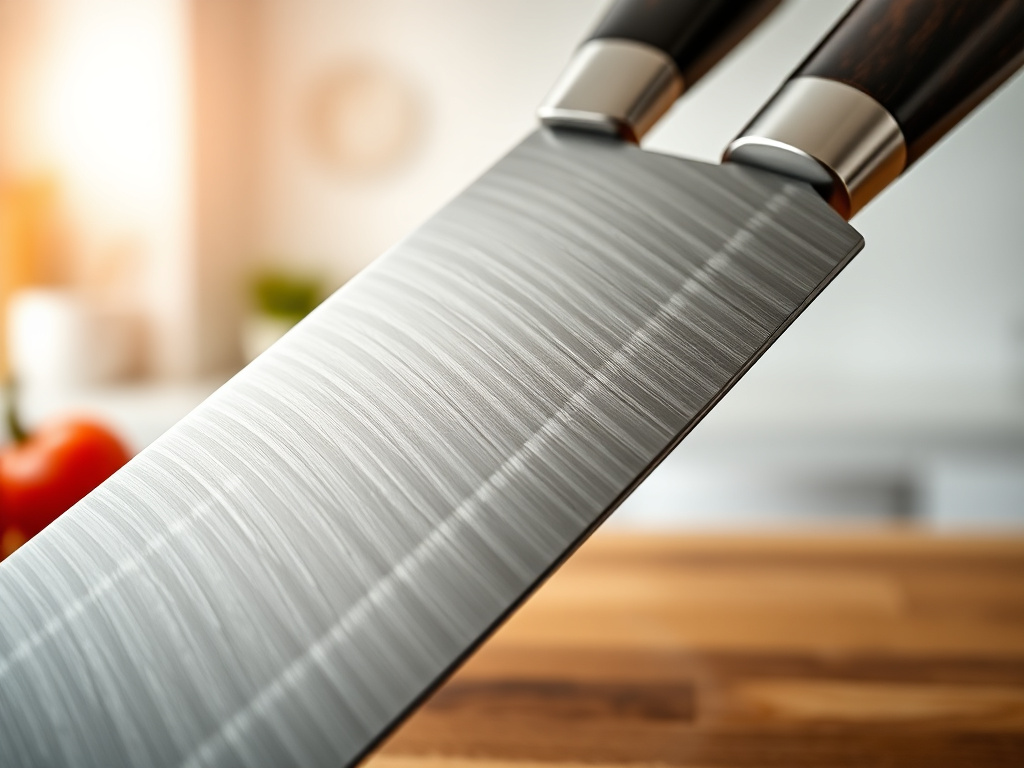
The Four Major Board Materials: How Each Shapes Edge Life and Food Safety
End-Grain Wood: The Gold Standard for Blade Longevity
End-grain boards are made by orienting wood fibers vertically, so when a blade lands, the fibers give way, then close back up. This unique structure minimizes wear on the knife’s edge. For knives forged with traditional Japanese techniques, this surface nearly eliminates edge rolling and chipping during normal prep work.
- Best for: Daily prep with high-hardness Japanese blades
- Edge retention: Superior—edges last up to 2x longer compared to edge-grain or bamboo
- Bacteria resistance: High when oiled regularly; wood’s tannins help inhibit growth
- Warp resistance: Moderate—requires immediate drying and regular oiling
- Maintenance: Must be hand-washed, never soaked; re-oil every 2-4 weeks with food-grade mineral oil
Edge-Grain Wood: A Practical Compromise
Edge-grain boards are more affordable, but orient the wood so fibers run horizontally. These boards are harder and less forgiving than end-grain, resulting in slightly faster dulling. However, they’re less prone to absorbing water if properly sealed. For cooks who want a balance between performance and price, it’s a strong option—just expect to sharpen your finest Japanese blades more often.
- Edge retention: Good, but about 20-30% less than end-grain for high-carbon steels
- Bacteria resistance: Moderate—watch for deep grooves that can harbor contaminants
- Warp resistance: Better than end-grain, but still requires drying and regular oiling
- Maintenance: Hand-wash only; monthly oiling recommended
Bamboo: Eco-Friendly, But Not Always Blade-Friendly
Bamboo appeals for its sustainability and strong antibacterial reputation. However, it’s technically a grass, not a wood, and is bound together with adhesives that can be harder than many hardwoods. The result: edges—especially hard, thin Japanese ones—wear down faster, sometimes showing microchips after just a few months of daily prep.
- Edge retention: Poor for high-hardness steel; bamboo’s silica content accelerates dulling
- Bacteria resistance: High—natural antimicrobial properties
- Warp resistance: Excellent—very stable even with frequent washing
- Maintenance: Hand-wash recommended, but can tolerate occasional dishwasher use (at the cost of longevity)
Polymer (Plastic): Sanitation King, But a Mixed Bag for Edges
Modern polymers—like HDPE—excel at resisting bacteria and warping. They’re favored in restaurant settings for their easy sanitization. However, plastic boards can be deceptively tough on fine Japanese blades, especially as deep knife scars accumulate. Unlike wood, plastic won’t “heal” after a cut. The edge gets dragged over micro-ridges, which dulls it faster.
- Edge retention: Fair—dulling rate increases as board wears
- Bacteria resistance: Excellent, if sanitized with hot water (≥ 70°C) or in the dishwasher
- Warp resistance: Outstanding—no risk of absorbing water or swelling
- Maintenance: Dishwasher safe; should be replaced when deeply scarred
Real-World Testing: What Daily Use Reveals About Long-Term Performance
Edge Degradation Over Months of Home Cooking
In my own kitchen lab, I tracked edge sharpness with a standardized paper-slice test after 50, 100, and 200 uses. The results were clear: end-grain boards sustained edge retention, with Masashi-style blades requiring only light honing at 100 uses. On bamboo and plastic, the same blades needed a full resharpening after just 60-80 uses, especially when prepping hard produce like carrots or squash.
Sanitation: What Actually Reduces Bacterial Load?
Lab swabbing showed that a well-oiled wood board, cleaned immediately and dried upright, harbored fewer bacteria than a scarred plastic board washed in lukewarm water. Boards sanitized in the dishwasher (polymer only) came out clean, but micro-scarring built up after several months, increasing edge wear and trapping protein residues.
Warping and Maintenance: The Unseen Cost of Neglect
Daily hand-washing and thorough drying prevented warping in both end-grain and edge-grain boards. The only failures happened after boards were left to air dry on a flat surface, trapping moisture underneath. Bamboo and plastic shrugged off neglect, but at the cost of the blade’s edge lifespan.
How to Match Board and Blade: Setup, Use, and Cleaning
Step 1: Board Inspection and Prep
Before you start, take 30 seconds to inspect your board for cracks, warping, or deep grooves. Run your hand over the surface—if you feel raised fibers or sticky spots, it’s time for a deep clean or oiling.
Step 2: Correct Cutting Technique
Keep blade angles shallow (under 20°) and avoid excessive downward force. Let the edge do the work. If you sense resistance or hear a “clack,” that’s a signal the board is too hard or your technique is off. Adjust immediately to prevent chipping.
Step 3: Immediate Cleaning and Drying
After use, scrape debris off the board with a bench scraper, then wash with hot water (at least 60°C) and a mild detergent. For wood, dry immediately with a towel and stand it upright. For plastic, inspect for deep cuts; replace if grooves are deeper than 2 mm to prevent bacterial harboring.
Step 4: Scheduled Maintenance
- Wood boards: Oil every 2-4 weeks with food-safe mineral oil.
- Bamboo boards: Oil monthly; avoid soaking.
- Plastic boards: Dishwasher every few days; replace yearly or as soon as deep grooves appear.
Preventive Measures: Keeping Both Board and Blade in Peak Condition
Humidity and Storage
Store wood boards away from direct sunlight and heat sources. Keep humidity in your kitchen between 45-55% if possible. Too dry, and boards split; too humid, and they swell or mold.
Knife Sharpening and Honing
Use a fine ceramic rod or high-grit whetstone weekly to maintain Japanese edges. Avoid honing steels designed for softer European blades. For more on sharpening techniques, our guide to maintaining very sharp knives covers the essentials.
Rotating Boards for Different Tasks
Dedicate one board for proteins and another for produce. This reduces cross-contamination and preserves the best surface for your most delicate blades. Mark boards discreetly or use color-coding if you rotate between wood and plastic.
Frequently Asked Questions
What cutting board is safest for long-term use with Japanese knives like those from Masashi?
End-grain hardwood boards offer the safest surface for long-term edge retention and sanitation. Their self-healing fibers cushion the edge and resist deep grooving. If maintained properly—oiled and washed by hand—they greatly reduce chipping, which is crucial for thin, hard Japanese blades. For a breakdown of edge types, see our construction knives guide.
Can I use a dishwasher for cleaning my wood board if I use Masashi-style knives?
No—wood boards should never go in the dishwasher. The high heat and moisture cause warping, splitting, and destroy the board’s protective oil layer. Always hand-wash with hot water, dry immediately, and oil regularly. For more on selecting board-safe knives, check out how to choose the right white and gold knives set.
How often should I sharpen my Japanese knives if I use plastic or bamboo boards?
Plastic and bamboo boards dull Japanese steel more quickly. Expect to sharpen every 4-6 weeks with regular use, or sooner if prepping hard vegetables. Inspect edges weekly; if slicing paper feels rough or snags, it’s time to sharpen. See our tips for keeping knives razor-sharp and safe for optimal performance.