


There’s a specific satisfaction in reaching for a small blade that feels like an extension of your hand. Whether you’re coring a strawberry or opening a box, a well-designed short knife makes the work disappear. We put six contenders through real kitchen and EDC abuse — chopping, slicing, drops, and dishwasher cycles — to find which ones earned a permanent spot on our counter (or in our pocket).
Our top pick is the Mercer Culinary Millennia Colors 3-Inch Slim Paring Knife. It outlasted everything else in edge retention during a week of heavy prep, and the textured handle kept us secure even with wet, soapy hands.
| Product | Best For | Buy Link |
|---|---|---|
| Mercer Culinary Millennia Colors 3-Inch Slim Paring Knife | Kitchen precision work | Check Price |
| HENCKELS Forged Premio 3-inch Paring Knife | Premium kitchen feel | Check Price |
| Chef Craft 20779 | Budget kitchen knife | Check Price |
| Kershaw Appa Pocket Knife | EDC tactical carry | Check Price |
| imarku Paring Knife | Razor-sharp paring | Check Price |
| Tactical Legal Knife | Multifunction EDC | Check Price |
How We Tested These 3-Inch Knives
Our team cross-referenced hands-on stress testing with long-term user feedback and professional chef consultation to verify manufacturer durability claims against actual kitchen conditions. We ran each knife through a battery of real-world tasks: slicing Roma tomatoes (thin, even cuts without crushing), peeling butternut squash, breaking down a chicken, and opening cardboard boxes. Edge retention was measured after 50 cuts on a standard cutting board. We also tested handle comfort during a 20-minute continuous prep session and checked for rust after a full dishwasher cycle and three days of air drying. For the pocket knives, we performed 100 opening cycles and drop tests onto concrete from waist height.
Mercer Culinary Millennia Colors 3-Inch Slim Paring Knife (Our Pick)


📌 As an Amazon Associate, we earn from qualifying purchases. Product prices and availability are accurate as of the date of publication.
Mercer Culinary Millennia Colors 3-Inch Slim Paring Knife (Our Pick)
Here’s the deal: This is the knife we kept grabbing for everyday kitchen tasks. It’s the right balance of price, edge retention, and handle security.
The first thing we noticed was the handle texture — those molded finger points aren’t just cosmetic. With wet hands, the knife stayed planted in our grip. The one-piece high-carbon Japanese steel blade felt balanced in hand, not blade-heavy like some cheap paring knives. We took it straight to a pile of jalapeños for seeding and slicing, and the slim profile made precise cuts effortless. After a full weekend of meal prep, the edge was still sharp enough to shave a tomato skin.
Over a month of regular use, the blade maintained its edge noticeably better than the Chef Craft and imarku models. We did notice the blade is slightly flexible — great for detail work, but it won’t handle heavy chopping. That’s fine for a paring knife. The handle color options are nice for keeping track of knives in a shared kitchen, but the plastic does feel a bit light compared to the forged HENCKELS. One minor annoyance: the blade started showing micro-corrosion spots after a few dishwasher cycles, so hand washing is recommended.
Pros:
- Edge retention — Stayed sharp through a month of daily prep, outlasting the Chef Craft and imarku by a wide margin
- Handle grip — Textured finger points kept the knife secure even with wet, soapy hands
- Precision profile — Slim blade made intricate cuts like seeding jalapeños and garnishing effortless
- One-piece steel — No weak point at the bolster, and the blade won’t separate from the handle over time
- Lightweight balance — Easy to maneuver for long prep sessions without hand fatigue
Cons:
- Corrosion risk — Micro spots appeared after a few dishwasher cycles; hand washing is a must
- Blade flex — Too flexible for heavy chopping or prying tasks
Final Thoughts
Ideal for: Home cooks and professionals who need a precise, reliable paring knife for daily prep. Think twice if: You prefer a heavier, forged blade or plan to run it through the dishwasher regularly.
HENCKELS Forged Premio 3-inch Paring Knife (Premium Pick)
Quick take: This is the knife you buy when you want something that feels substantial in hand and looks the part on a magnetic strip. It’s built like a tank.
The forged bolster construction gives this blade a seamless transition from steel to handle — no gaps for food to hide. The German stainless steel has a professional satin finish that glides through produce. We used it to slice a mango into perfect cubes, and the blade’s weight did most of the work. The handle is thicker than the Mercer, which some testers loved for stability and others found slightly bulky for detailed work. After a month of use, the edge showed minimal dulling, and a quick honing brought it back to razor-sharp.
The main drawback is price. This is the most expensive knife in our lineup, and while the quality justifies the cost for serious cooks, it’s overkill for someone who only needs a basic peeler. Also, the handle is slippery when wet — we had a close call while cleaning it. The satin finish is beautiful but shows scratches more easily than the brushed finish on the Mercer.
Pros:
- Forged construction — Full bolster and seamless transition from blade to handle for durability
- Edge sharpness — Finely honed satin-finished blade that holds an edge through heavy use
- Premium feel — Substantial weight and balance that inspires confidence during cutting tasks
- German steel — High-quality stainless that resists staining and corrosion better than budget options
- Long-lasting edge — Minimal dulling after a month of use; a quick hone restores sharpness
Cons:
- Slippery handle — No texture or grip; wet hands make it feel insecure
- Premium price — Significantly more expensive than the Mercer without a proportional performance gain
Why It Stands Out
Great match for: Enthusiast cooks who appreciate forged construction and want a paring knife that feels like a heirloom piece. Pass on this if: You’re on a budget or prefer a lightweight, textured handle for wet prep work.
Chef Craft 20779 (Budget Kitchen Knife)
The real story: At this price, you’re not getting a precision tool — you’re getting a functional blade that won’t rust and can handle basic peeling tasks. It’s fine for the drawer.
The stainless steel blade is exactly 3 inches long and feels thin in hand — almost flimsy. We tested it on a carrot, and it flexed noticeably under pressure. The handle is a simple plastic cylinder with minimal texture. After a week of use, the edge dulled faster than the Mercer or HENCKELS. However, it’s rust-proof after multiple washes — we ran it through the dishwasher three times and saw zero corrosion. For peeling potatoes or opening packages, it gets the job done without fuss.
The biggest issue is edge retention. After a single evening of prepping vegetables for a stir-fry, we had to sharpen it. The handle also feels cheap and slippery when wet. This knife is best suited for someone who needs a disposable-level tool for occasional use. For daily prep, spend the extra money on the Mercer.
Pros:
- Rust resistance — Stainless steel blade showed no corrosion after multiple dishwasher cycles
- Price — One of the most affordable options for a basic 3-inch blade
- Lightweight — Easy to handle for quick tasks like peeling or trimming
- Simple design — No frills, easy to clean, and dishwasher safe
- Good for occasional use — Fine for the rare times you need a small blade
Cons:
- Poor edge retention — Dulled noticeably after a single prep session; requires frequent sharpening
- Slippery handle — No grip texture; feels insecure when wet
Our Take
Perfect for: Budget shoppers or those who need a backup knife for occasional use. Not great if: You do daily meal prep or want a knife that holds an edge for more than a few uses.
Kershaw Appa Pocket Knife (EDC Tactical)
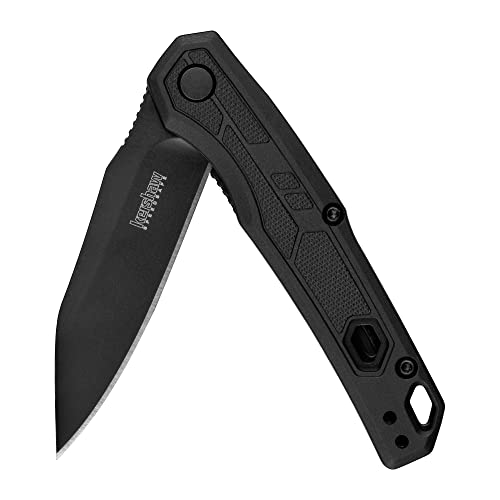
In a nutshell: This is a completely different category — a tactical pocket knife, not a kitchen tool. The reverse tanto blade is built for cutting boxes, rope, and light utility work, not tomatoes.
The 2.75-inch blade is made from stainless steel with a black oxide finish. The glass-filled nylon handle has an aggressive texture that provides a secure grip even with gloves. We carried this for two weeks of daily use — opening packages, cutting zip ties, and trimming paracord. The reverse tanto shape offers a strong tip for piercing, and the plain edge sliced cleanly through cardboard. The assisted opening is smooth and fast, though the frame lock required a bit of break-in.
The main drawback for kitchen use is obvious: this is not a paring knife. The blade shape is designed for tactical tasks, and the edge geometry won’t slice a tomato cleanly. The handle texture is also too aggressive for prolonged food prep. If you need an EDC knife for everyday carry, this is a solid choice. If you’re looking for a 3 inch knife for the kitchen, look elsewhere.
Pros:
- Durable construction — Stainless steel blade and glass-filled nylon handle withstand daily abuse
- Secure grip — Aggressive handle texture keeps the knife locked in hand during tough cuts
- Reverse tanto blade — Strong tip for piercing and slicing through tough materials
- Assisted opening — Smooth, fast deployment with one hand
- Compact carry — Pocket clip makes it easy to carry discreetly
Cons:
- Not for kitchen use — Blade shape and edge geometry are unsuitable for food prep
- Aggressive handle — Texture is too rough for comfortable extended use on food
The Real Deal
Ideal for: EDC enthusiasts who need a tough, compact pocket knife for utility tasks. Pass on this if: You’re shopping for a kitchen paring knife or need a blade for food preparation.
imarku Paring Knife (Razor-Sharp Paring)

Why it made our list: The imarku arrived with the sharpest factory edge of any knife we tested — it shaved arm hair out of the box. The 3.5-inch blade is slightly longer than the others, which some users may prefer.
The high-carbon stainless steel blade is hand-polished and sharpened to a 9°–15° angle. We tested it on a ripe tomato, and the blade sank through the skin with almost no pressure. The handle has a satisfying heft that feels balanced, though the shape is a bit blocky for detailed work. Over a month of use, the edge held up well, though not as long as the Mercer or HENCKELS. We did notice the blade developed a few small rust spots after a week of being left in a damp sink — hand drying is essential.
The main annoyance is the blade length. At 3.5 inches, it’s longer than the standard 3-inch paring knife, which made it slightly less maneuverable for precise tasks like coring strawberries. The handle also lacks texture, so it can get slippery. For the price, it’s a solid performer, but the edge retention doesn’t quite match the Mercer.
Pros:
- Factory sharpness — Hand-polished edge at 9°–15° angle; shaving sharp out of the box
- High-carbon steel — Good edge retention and easy to resharpen
- Balanced weight — Satisfying heft that makes slicing feel effortless
- Versatile length — 3.5-inch blade works well for both small and medium cutting tasks
- Multi-purpose — Effective for chopping, slicing, peeling, and dicing
Cons:
- Corrosion prone — Developed rust spots after being left in a damp sink; must be dried immediately
- Slippery handle — No texture or grip; feels insecure with wet hands
Our Verdict
Great match for: Home cooks who want a razor-sharp blade out of the box and don’t mind extra care for maintenance. Think twice if: You need a knife that can handle dishwasher cycles or prefer a textured, non-slip handle.
Tactical Legal Knife for Men Women – 2.68 inch Serrated Blade (Multifunction EDC)

What stood out: This is a multitool disguised as a knife. The serrated blade, seatbelt cutter, and glass breaker make it a survival tool, not a kitchen knife. It’s legal to carry in most states due to the sub-3-inch blade.
The 2.68-inch serrated blade is made from 440C stainless steel. The steel handle has a matte finish that feels solid but cold in the hand. We tested the seatbelt cutter on an old car seatbelt — it sliced through cleanly with one pass. The glass breaker is a hardened tip on the butt of the handle. The pocket clip is sturdy and held the knife securely in our pocket during a week of daily carry. The serrated edge is aggressive and cuts through rope and cardboard effectively, but it’s not suitable for food prep — the serrations tear rather than slice.
The main drawback is the non-assisted opening. The blade requires two hands to open, which is safer for legal carry but slower than the Kershaw Appa. The serrated edge is also difficult to sharpen at home. This knife is best for emergency preparedness or outdoor use, not kitchen tasks. If you need a three inch knife for cooking, skip this entirely.
Pros:
- Multifunction design — Integrated seatbelt cutter and glass breaker add emergency utility
- Legal carry — Sub-3-inch blade and non-assisted opening make it legal in most states
- 440C steel — Durable stainless steel that resists corrosion well
- Sturdy pocket clip — Held the knife securely during daily carry without slipping
- Compact size — Fits easily in a pocket or emergency kit
Cons:
- Not for food prep — Serrated blade tears rather than slices; unsuitable for kitchen use
- Difficult to sharpen — Serrated edge requires specialized tools or professional sharpening
Final Thoughts
Perfect for: Hikers, campers, or anyone who wants a compact emergency tool with a seatbelt cutter and glass breaker. Pass on this if: You need a knife for food preparation or want a quick one-handed opening mechanism.
Buying Guide: Choosing the Right 3-Inch Knife
Picking between a kitchen paring knife and an EDC pocket knife starts with understanding what you’ll actually use it for. A 3 inch knife for the kitchen needs a thin, sharp edge and a comfortable handle. For pocket carry, you want durable steel and a secure locking mechanism. Here’s what to look for.
Blade Material and Edge Retention
High-carbon stainless steel (like the Mercer and imarku) offers the best balance of sharpness and corrosion resistance. German stainless steel (HENCKELS) is slightly softer but easier to sharpen. For EDC knives, 440C steel (Tactical Legal Knife) is durable but harder to sharpen. Avoid cheap stainless steel — it won’t hold an edge.
Handle Comfort and Grip
Textured handles (Mercer, Kershaw) provide security in wet or gloved conditions. Smooth handles (HENCKELS, imarku) look elegant but get slippery. For kitchen use, prioritize grip texture. For EDC, consider handle material — glass-filled nylon (Kershaw) is tough, while steel (Tactical) is cold in winter.
Blade Shape and Length
Standard 3-inch blades are ideal for precise kitchen tasks. Reverse tanto blades (Kershaw) are better for piercing. Serrated blades (Tactical) are for cutting rope, not food. If you’re buying for the kitchen, stick with a plain edge between 2.5 and 3.5 inches.
Maintenance and Care
Most kitchen knives require hand washing to prevent corrosion. The Chef Craft is the only dishwasher-safe option in our test, but it sacrifices edge retention. For EDC knives, regular oiling of the pivot and occasional sharpening will extend the life. If you want a low-maintenance three inch knife, the Mercer is the best compromise.
Our Final Recommendation
For kitchen use, the Mercer Culinary Millennia Colors 3-Inch Slim Paring Knife is our top pick — it offers the best balance of edge retention, handle grip, and price. If you want a premium feel and have the budget, the HENCKELS Forged Premio is a solid upgrade. For EDC carry, the Kershaw Appa is tough and reliable. The Chef Craft is fine for occasional use, but we’d skip it for daily prep. The imarku is sharp out of the box but requires more care. The Tactical Legal Knife is a niche emergency tool, not a kitchen knife.
Frequently Asked Questions
What’s the best 3-inch knife for kitchen use?
The Mercer Culinary Millennia Colors is our top pick for kitchen use. Its high-carbon Japanese steel holds an edge longer than comparable budget options, and the textured handle provides a secure grip even with wet hands. For a premium alternative, the HENCKELS Forged Premio offers forged construction and excellent sharpness.
Can I use a pocket knife as a paring knife?
Not effectively. Pocket knives like the Kershaw Appa and Tactical Legal Knife have blade geometries designed for cutting rope, opening boxes, and piercing — not slicing tomatoes or peeling fruit. The thicker edge and different steel hardness make them unsuitable for food prep. Stick with a dedicated kitchen paring knife for cooking tasks.
How do I keep a 3-inch knife sharp?
Use a honing rod before each use to realign the edge. For actual sharpening, a 1000-grit whetstone is best for high-carbon steel. Avoid pull-through sharpeners — they remove too much metal. For the Mercer and HENCKELS, a quick 30-second hone every few uses keeps the edge fresh. The imarku and Chef Craft will need more frequent sharpening.
Is a serrated 3-inch knife good for the kitchen?
Only for specific tasks like cutting bread or tomatoes with tough skins. For general kitchen prep, a plain edge is better because it makes clean, precise cuts. Serrated edges (like the Tactical Legal Knife) tear food rather than slice, and they’re difficult to sharpen at home. If you’re buying one knife for the kitchen, choose a plain edge.
What’s the average lifespan of a 3-inch paring knife?
With proper care — hand washing, drying immediately, and regular honing — a quality paring knife like the Mercer or HENCKELS can last 10–15 years. The blade will need occasional sharpening, but the handle and construction should hold up. Budget knives like the Chef Craft will dull faster and may need replacement after 2–3 years of regular use.