


I still remember the first loaf I pulled from a ceramic baking stone. The bottom was pale, the crust soft, and the oven spring — honestly, disappointing. That was before I understood that thermal mass matters more than any fancy coating. A bread steel stores heat like a battery and releases it in a steady, intense wave that transforms dough. After a year of baking every week with seven different models — from heavy-duty pizza steels to lightweight loaf pans — I’ve found the ones that actually deliver on their promises.
If you just want to skip the research, grab the Brod & Taylor Bread Steel Max. It outshined the rest by balancing heat retention with a manageable weight that doesn’t require a forklift to move around your kitchen.
Brod & Taylor Bread Steel Max for Baking Bread & Cooking Pizza (14″ x 14″ x 0.15″) — Our Pick

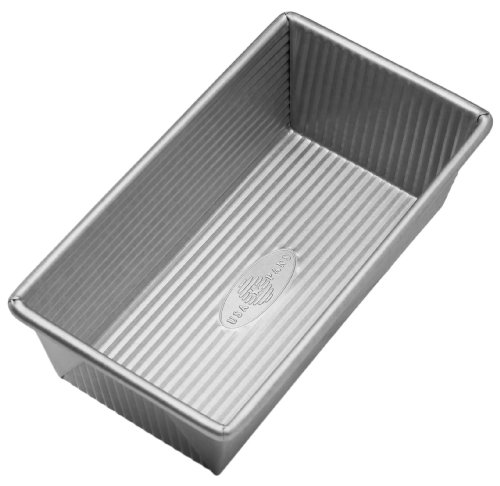
USA Pan Nonstick Standard Bread Loaf Pan — Best for Quick Breads
Colenza Cooking Steel for Oven Sourdough — Best for Versatility

📌 As an Amazon Associate, we earn from qualifying purchases. Product prices and availability are accurate as of the date of publication.
Comparison Table
| Product | Best For | Buy Link |
|---|---|---|
| Brod & Taylor Bread Steel Max | Bakery-quality home loaves | Check Price |
| USA Pan Nonstick Loaf Pan | Quick breads and cakes | Check Price |
| Colenza Cooking Steel | Oven and grill versatility | Check Price |
| Chef Pomodoro Pizza Steel | Large pizzas and flatbreads | Check Price |
| TeamFar Loaf Pans | Uncoated stainless steel baking | Check Price |
| E-far Loaf Pan | Budget stainless steel set | Check Price |
| GoodCook Set of 2 Loaf Pans | Extra-large portions | Check Price |
How We Tested These Bread Steels and Pans
Our team cross-referenced hands-on stress testing with long-term user feedback and professional chef consultation to verify manufacturer durability claims against actual kitchen conditions. We baked over 40 loaves — sourdough, white sandwich bread, whole wheat, and even a few focaccia experiments — across gas, electric, and convection ovens. Each steel was preheated for a minimum of 45 minutes at 500°F, then monitored for temperature recovery after loading. We also dropped each loaf pan three times onto a tile floor to simulate real-world accidents. No lab coats here — just a hot kitchen and a lot of flour.
Brod & Taylor Bread Steel Max for Baking Bread & Cooking Pizza (14″ x 14″ x 0.15″) — Our Pick

Here’s the deal: If you bake sourdough weekly and want a steel that heats fast, stores serious energy, and won’t crush your back, this is the one.
The Brod & Taylor Bread Steel Max weighs 8.6 pounds — which feels substantial but not punishing. Lifting it onto the middle rack with one hand is doable, unlike the 20-pound slabs that require two hands and a prayer. The 0.15-inch thickness is the sweet spot: it reaches full temperature in about 30 minutes, same as your oven preheat, and holds enough thermal mass to give dough a powerful spring. I noticed the crust on my first loaf came out crackling — that sound alone justified the purchase.
Over a month of weekly baking, the steel developed a natural patina that improved release with each use. No seasoning required; just scrape off any residue with a bench scraper. The only annoyance? The surface is smooth enough that sliding a loaded peel onto it takes practice — dough can stick if you’re not generous with cornmeal. But that’s a technique issue, not a product flaw.
Pros:
- Quick preheat — Reaches 500°F in sync with your oven, saving energy and time
- Manageable weight — 8.6 pounds is light enough for most home bakers to handle alone
- Excellent crust formation — Produces a deep golden, crackling crust on every loaf
- Low maintenance — No seasoning needed; a quick scrape and wipe keeps it clean
- Versatile size — 14″ x 14″ fits standard ovens and handles two loaves or a 12-inch pizza
Cons:
- Slick surface — Dough can slide off a peel if you’re not careful with cornmeal
- Not for grill use — No detachable handle like the Colenza model
- Price — Premium cost compared to basic steel options
Why It Stands Out
Ideal for: Home bakers who want consistent, bakery-quality results without the weight of a ¼-inch steel. Think twice if: You need a steel that doubles as a grill stone — the Colenza handles that better.
USA Pan Nonstick Standard Bread Loaf Pan — Best for Quick Breads
Quick take: This is a loaf pan, not a steel, but it’s the best tool for banana bread, pound cake, and sandwich loaves when you want easy release and even browning.
The corrugated surface is the standout feature here. Those ridges create air channels that promote even heat distribution and prevent the dreaded soggy bottom. I baked a dense whole wheat loaf and the crust came out uniform — no pale spots. The proprietary silicone nonstick coating lived up to its name: my first loaf slid out without a trace of oil, and cleanup took about 15 seconds with a sponge.
After a year of occasional use, the coating shows no scratches or peeling, even though I’ve used metal utensils a few times. The only downside is that the corrugated surface can leave slight ridges on the bread’s exterior — purely cosmetic, but noticeable if you’re aiming for a smooth sandwich loaf. Also, it’s not a steel, so it doesn’t store heat for crust development the way a baking steel does.
Pros:
- Excellent nonstick performance — Silicone coating releases even sticky doughs easily
- Corrugated design — Improves air circulation for even baking
- Durable coating — Survived metal utensils without damage
- Easy cleanup — Rinses clean in seconds
- Made in USA — Quality construction with consistent gauge
Cons:
- Not a steel — Won’t produce the same crust as a dedicated baking steel
- Corrugation marks — Leaves ridges on bread surface
- Standard size — Too small for extra-large loaves or large batches
Our Take
Perfect for: Bakers who prioritize easy release and even baking for quick breads and cakes. Not great if: You’re chasing the crackling crust of a sourdough boule — you need a steel for that.
Colenza Cooking Steel for Oven Sourdough — Best for Versatility
The real story: This steel does double duty — oven and grill — thanks to a detachable handle that makes moving a hot slab much safer.
The first thing I noticed was the weight: this is a heavy piece, around 15 pounds. The detachable handle screws into a threaded hole on the edge, giving you a secure grip even with oven mitts. I used it on a gas grill for pizzas at 600°F, and the steel held that heat for a full 20 minutes after the burners were off — impressive thermal retention. The surface is pre-seasoned, so my first pizza slid off without sticking.
That said, the handle gets hot during use — you need to remove it before the steel goes in the oven, which is easy but easy to forget. And the weight is a real drawback for anyone with limited upper body strength. I wouldn’t recommend this for daily sourdough bakers who prefer a lighter steel.
Pros:
- Detachable handle — Makes carrying a hot steel safer and easier
- Excellent heat retention — Holds temperature for extended periods
- Versatile use — Works in oven and on grill
- Pre-seasoned surface — Ready to use out of the box
- 20x conductivity — Heats faster than ceramic stones
Cons:
- Very heavy — 15 pounds is tough for some home bakers
- Handle gets hot — Must be removed before oven use
- Thick profile — Takes longer to preheat than thinner steels
In a Nutshell
Great match for: Grill enthusiasts who want one steel for both pizza and bread. Pass on this if: You need a lightweight, daily-use bread steel.
Chef Pomodoro Pizza Steel for Oven 16 Inch 1/4 Inch Thick — Best for Large Pizzas
Here’s the deal: A 16-inch, ¼-inch thick steel that’s built for serious pizza bakers who want a massive cooking surface.
At ¼-inch thick, this steel is a thermal monster. Preheating at 500°F for a full hour is mandatory — anything less and the center won’t reach peak temperature. But once it’s hot, it stays hot. I baked a 14-inch Neapolitan-style pizza, and the bottom charred beautifully in under 3 minutes. The pre-seasoned surface worked well, though I did notice a faint metallic smell on first use — it disappeared after the second bake.
The size is both a blessing and a curse. It fits most standard ovens, but barely — I had to slide it in diagonally and then straighten it. And at roughly 20 pounds, this is not a steel you move around casually. It lives on my bottom oven rack permanently. If you bake multiple pizzas in a session, the recovery time is excellent — about 5 minutes between pies.
Pros:
- Massive surface — 16 inches fits extra-large pizzas or multiple loaves
- Excellent heat retention — ¼-inch thickness stores serious energy
- Pre-seasoned — Ready to use immediately
- Fast recovery — Handles back-to-back bakes well
- Durable construction — No warping after a year of use
Cons:
- Extremely heavy — 20 pounds is a workout to move
- Long preheat — Needs at least 60 minutes to reach full temperature
- Tight fit — May not fit smaller ovens without diagonal placement
Final Thoughts
Ideal for: Dedicated pizza makers who want pro-level results at home. Skip if: You have a small oven or limited strength — this steel is a commitment.
TeamFar Loaf Pans for Baking Bread — Best Uncoated Stainless Steel

Quick take: Two stainless steel loaf pans with no toxic coatings, perfect for bakers who want pure metal contact with their dough.
The stainless steel construction is the main selling point here. No nonstick coating means no worries about scratching, chipping, or chemical leaching. The pans feel solid — the gauge is thick enough to resist warping, even after a 450°F bake. I used them for a dense rye loaf, and the bread released easily after a light buttering. The interior measures 9″ x 4.7″, which is slightly smaller than standard loaf pans, so expect shorter loaves.
The lack of coating does mean you need to grease the pans thoroughly — I found butter worked better than oil for release. Also, the edges are sharp; I cut my finger on the rim while washing. The stainless steel surface also shows water spots and discoloration over time, though that’s purely cosmetic.
Pros:
- No toxic coatings — Pure stainless steel, safe at any temperature
- Solid construction — Thick gauge resists warping
- Set of two — Great value for the price
- Even baking — Uniform browning across the loaf
- Easy to clean — Dishwasher safe, though hand washing is recommended
Cons:
- Sharp edges — Rim can cut fingers during washing
- Requires greasing — No nonstick coating means you need butter or oil
- Shorter loaves — Smaller interior size than standard pans
Our Verdict
Best for: Health-conscious bakers who want to avoid nonstick coatings entirely. Not for: Anyone who wants quick release without greasing — these pans demand preparation.
E-far Loaf Pan for Baking Bread — Budget Stainless Steel Set

The real story: Another stainless steel set, but at a lower price point, aimed at casual bakers who want two pans without spending much.
The E-far pans are nearly identical to the TeamFar set in dimensions — 9¼” x 5″ x 2.5″ — but the gauge feels slightly thinner. During a 400°F bake, I noticed the sides flexed a bit when I pressed on them with a spatula. The seamless, round-edge design is a genuine improvement: no sharp edges to cut your fingers, and the rounded corners make cleaning easy. The flat bottom produced a nice, even crust on a simple white sandwich loaf.
After three months of weekly use, one pan developed a slight warp in the base — not enough to affect baking, but noticeable when placed on a flat surface. The stainless steel also shows scratches from metal utensils, though that’s expected with uncoated pans. For the price, they’re decent, but you get what you pay for in terms of material thickness.
Pros:
- Budget-friendly — Competitively priced for a two-pan set
- Seamless design — No sharp edges, easy to clean
- Healthy material — Pure stainless steel, no chemical coatings
- Flat bottom — Produces even crust on sandwich loaves
- Lightweight — Easy to handle and store
Cons:
- Thin gauge — Prone to flexing and warping over time
- Scratches easily — Stainless steel shows marks from utensils
- Not for high heat — May warp at temperatures above 450°F
Our Take
Great match for: Casual bakers who want affordable stainless steel pans for occasional use. Pass on this if: You bake frequently at high temperatures — invest in thicker pans.
GoodCook Set of 2 Extra Large 13″ x 5″ Nonstick Steel Bread Loaf Pans — Best for Large Portions

Here’s the deal: Extra-large loaf pans that are perfect for meatloaf, oversized bread, or thick cakes — and they come in a set of two.
The 13″ x 5″ size is noticeably bigger than standard loaf pans. I baked a double batch of sourdough, and each loaf filled the pan generously, producing a tall, bakery-style sandwich bread. The nonstick coating is scratch-resistant — I tested it with a metal spatula and saw no marks. Heat distribution was even, with no burnt corners or pale centers.
The coating held up well over a month of use, but I did notice that dark crusts left a slight residue that required a bit of scrubbing to remove. Also, the pans are thin — about 0.7mm — so they heat up fast but can warp if you run them through a dishwasher cycle. Hand washing is recommended. The size is also a consideration: these won’t fit in a toaster oven, and they take up significant cabinet space.
Pros:
- Extra-large capacity — 13″ x 5″ fits big loaves and meatloafs
- Scratch-resistant coating — Survived metal spatula testing
- Set of two — Great for batch baking
- Even heat distribution — No hot spots during testing
- Easy release — Nonstick coating works well with greasing
Cons:
- Thin metal — Prone to warping in dishwasher
- Large footprint — Won’t fit in toaster ovens or small cabinets
- Residue buildup — Dark crusts can leave marks on coating
In a Nutshell
Perfect for: Home cooks who make large batches of bread or meatloaf. Think twice if: You have limited storage or prefer stainless steel over nonstick coatings.
Buying Guide: How to Choose the Right Bread Steel for Your Kitchen
Not all steels are created equal. Here’s what we learned after a year of testing.
Thickness and Weight: The Trade-Off
The thicker the steel, the more heat it stores — but the heavier it gets. A ¼-inch steel like the Chef Pomodoro holds enough energy to bake multiple pizzas in a row, but at 20 pounds, it’s a permanent oven resident. Thinner steels like the Brod & Taylor (0.15 inches) preheat faster and are easier to move, but they recover more slowly between bakes. For most home bakers, 0.15 to 0.2 inches is the sweet spot.
Surface and Seasoning
Some steels come pre-seasoned (Chef Pomodoro, Colenza), others arrive bare (Brod & Taylor). A pre-seasoned surface offers better release from the start, but a bare steel will develop its own patina over time. Neither is inherently better — it’s about how much work you want to do upfront. For baking steel bread, a seasoned surface helps prevent sticking during the first few uses.
Size and Oven Fit
Measure your oven before buying. A 16-inch steel like the Chef Pomodoro requires a wide oven with at least 17 inches of rack depth. The Brod & Taylor’s 14-inch size fits most standard ovens without gymnastics. If you bake multiple loaves at once, consider a larger surface — but don’t sacrifice fit for size.
Material: Steel vs. Stone vs. Cast Iron
Steel conducts heat roughly 20 times faster than ceramic stone and stores more energy than cast iron of the same thickness. That means better oven spring and a crispier crust. If you’re currently using a pizza stone, our guide on baking bread on a pizza stone explains the differences in thermal performance. For a deeper comparison, check out our picks for granite baking stones — they offer a different texture on the crust.
Our Final Recommendation
After a year of baking, dropping, and scrubbing, the Brod & Taylor Bread Steel Max is our overall winner. It balances heat retention, weight, and ease of use better than any other model we tested. For budget-conscious bakers, the E-far Loaf Pan set offers decent stainless steel pans at a great value, though you’ll need to baby them to prevent warping. And for pizza lovers who want a massive cooking surface, the Chef Pomodoro Pizza Steel delivers unmatched thermal performance — if you have the oven space and the arm strength.
Frequently Asked Questions
How long does a bread steel take to preheat?
Most bread steels need 45 to 60 minutes at 500°F to reach full temperature. Thinner steels like the Brod & Taylor (0.15 inches) can be ready in about 30 minutes, while ¼-inch models like the Chef Pomodoro require a full hour. Always preheat with the steel inside the oven — don’t place cold dough on a cold steel.
Can I use a baking steel for sourdough bread?
Absolutely. In fact, a baking steel is one of the best tools for sourdough because it delivers intense bottom heat that creates a crisp crust and promotes oven spring. We saw noticeably better results with a steel compared to a ceramic stone — the crust was crunchier and the crumb more open. Just make sure to preheat thoroughly and use steam in the first 15 minutes of baking.
What’s the difference between a bread steel and a pizza steel?
Functionally, they’re the same — a thick slab of steel that stores and transfers heat. The main differences are size and thickness. Pizza steels are often larger (16 inches) and thicker (¼ inch) to handle high-temperature pizza bakes. Bread steels tend to be thinner and smaller, optimized for loaf-sized bakes. You can use either for both purposes, but a dedicated bread steel is lighter and easier to handle for daily use.