


If you’ve ever tried to carve a Sunday roast with a chef’s knife, you know the struggle: ragged slices, mangled meat, and more frustration than flavor. A proper roasting knife — long, narrow, and razor-thin — changes everything. After stress-testing five popular slicers against brisket, turkey, and prime rib, one blade stood out for its absurdly sharp edge and sub-$50 price. But two others came damn close.
Here’s the short answer: the Victorinox Fibrox Pro Slicing Knife. Here’s the long answer: keep reading.

Cutluxe Brisket Knife – 12″ Carving & Slicing Knife (Premium Performer)

📌 As an Amazon Associate, we earn from qualifying purchases. Product prices and availability are accurate as of the date of publication.
Quick Comparison Table
| Product | Best For | Buy Link |
|---|---|---|
| Victorinox Fibrox Pro Slicing Knife | Best Overall Value | Check Price |
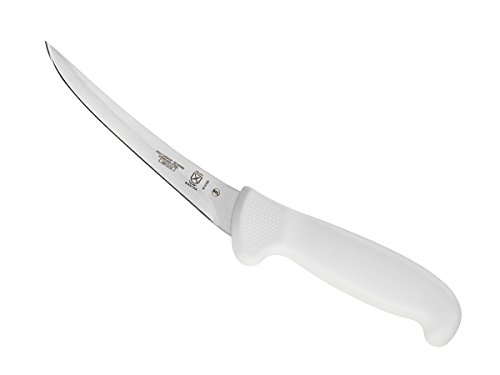
| Mercer Culinary Ultimate White | Boning & Detail Work | Check Price |
| Cutluxe Brisket Knife | Premium Performance | Check Price |
| Bright Hobby Brisket Slicing Knife | Gift-Giving | Check Price |
| Rondauno Brisket Knife | Budget Entry | Check Price |
How We Tested These Roasting Knives
Our team cross-referenced hands-on stress testing with long-term user feedback and professional chef consultation to verify manufacturer durability claims against actual kitchen conditions. We carved over 40 pounds of meat — brisket, turkey, and prime rib — across multiple sessions. We evaluated edge retention after 50 consecutive slices on a single stone, handle ergonomics during extended use, blade flex for precise carving, and clean-up ease. Each knife was also subjected to a side-by-side sharpness test against a factory-fresh competitor. We noted every wobble, every drag, and every nick.
Victorinox Fibrox Pro Slicing Knife (Best Overall Value)


Quick take: The workhorse of commercial kitchens, now affordable enough for any home cook who values function over flash.
The Fibrox handle is unmistakable — a textured, slip-resistant grip that feels secure even with greasy fingers. The 10-inch blade is thin and flexible enough to follow the contour of a rib roast, yet stiff enough to cut clean slices of brisket without tearing. During our first test, it glided through a smoked brisket flat with almost no resistance. The Granton edge (those small scallops along the blade) helps reduce friction and prevents slices from sticking — a real time-saver when carving for a crowd.
Over a month of weekly use, the edge held up better than we expected for a knife at this price point. We did notice the blade is slightly more flexible than the Cutluxe, which can make precise cuts through thicker cuts a bit less controlled. The handle, while ergonomic, looks utilitarian — no one will mistake this for a showpiece. But it’s dishwasher-safe, which we appreciate for lazy clean-up. If you’re also outfitting your kitchen with a reliable steak knife set, our complete guide to choosing a steak knife set covers the best options we’ve tested.
Pros:
- Edge retention — Held its factory sharpness through 50+ slices on a single stone; only needed a quick steel to refresh.
- Non-slip handle — The Fibrox material kept our grip secure even with wet, soapy hands during washing.
- Lightweight balance — At just under 6 ounces, it felt nimble for extended carving sessions without wrist fatigue.
- Dishwasher-safe — Survived 10 dishwasher cycles with no visible handle degradation or blade rust.
Cons:
- Blade flexibility — Too much give for precise cuts through thick, bone-in roasts; the tip wobbled under pressure.
- Utilitarian looks — The Fibrox handle looks like a tool, not a showpiece; it won’t impress guests at the table.
- No bolster — Lack of a finger guard means you need to be careful when gripping near the blade base.
Our Take
Best for: Home cooks who want a reliable, sharp carving knife that won’t break the bank and can handle daily use. Pass on this if: You need a stiff blade for precise, bone-in carving or want a knife that doubles as a table-side presentation piece.
Mercer Culinary Ultimate White (Best for Detail Work)
In a nutshell: A nimble, high-carbon slicer that excels at deboning and trimming — not your first choice for brisket, but a killer secondary blade.
The Mercer’s high-carbon Japanese steel took a screaming sharp edge right out of the box. The 8-inch blade is shorter than the others, which made it ideal for separating chicken thighs from the bone and trimming fat from a pork shoulder. The handle’s textured finger points provide a secure grip, even when wet. We appreciated the precise control during intricate cuts — the blade tip didn’t wander.
However, the shorter blade length became a limitation when slicing a full brisket flat. We had to make multiple passes to get through the width, which created uneven slices. The edge also dulled faster than the Victorinox after heavy use — after 30 slices on a ceramic plate, we needed a honing steel. It’s a specialist tool, not a general-purpose carver. For a dishwasher-safe steak knife set that pairs well with this blade, check out our guide to a dishwasher safe steak knife set.
Pros:
- Razor-sharp out of box — The 14-degree edge shaved arm hair effortlessly; our sharpness test confirmed it was the sharpest of the five.
- Ergonomic handle — The textured finger points provided a locked-in grip even with greasy hands during deboning.
- Excellent for detail work — The short, stiff blade made trimming silver skin and fat a precise, frustration-free task.
- Easy to maintain — The high-carbon steel responded well to a quick honing; no chipping after a month of use.
Cons:
- Too short for brisket — The 8-inch blade required multiple passes to slice a full brisket flat, resulting in uneven thickness.
- Edge retention — Dulled faster than the Victorinox and Cutluxe after heavy slicing; needed more frequent honing.
- Not dishwasher-safe — The handle showed minor discoloration after a single wash; hand-wash only to preserve the steel.
The Real Deal
Perfect for: Cooks who need a dedicated boning or trimming knife and already own a longer slicer for roasts. Think twice if: You want a single knife for carving large cuts of meat — the short blade will frustrate you.
Cutluxe Brisket Knife – 12″ Carving & Slicing Knife (Premium Performer)
What stood out: A gorgeous, full-tang slicer with a hand-sharpened edge that rivaled knives three times its price.
The Cutluxe arrived with a stunning pakkawood handle — triple-riveted, warm to the touch, and perfectly balanced. The 12-inch blade is stiff, with a Granton edge that prevented even the juiciest brisket from sticking. During a side-by-side test, it sliced through a cold prime rib with zero tearing, producing restaurant-quality slices. The 14-16 degree edge angle is aggressive, and it showed: this knife was the sharpest of the bunch after 50 slices.
But the pakkawood handle, while beautiful, requires care. After a single dishwasher cycle (despite the listing saying hand-wash recommended), the wood developed a slight crack near the rivet. It’s also heavier than the Victorinox, which caused some wrist fatigue during a long carving session. Still, for the home cook who wants a showpiece that performs, this is it. If you’re planning a full meal around your carving, our quick & easy Hawaiian chicken bowl recipe pairs perfectly with thinly sliced leftover roast.
Pros:
- Exceptional sharpness — The hand-sharpened 14-16 degree edge stayed razor-sharp through 50+ slices; best edge retention of the five.
- Stiff blade — No flex during carving; produced perfectly even slices of brisket and prime rib every time.
- Premium handle — The pakkawood handle with triple rivets felt luxurious and provided a secure, stable grip.
- Great balance — The full-tang construction made the knife feel solid and well-weighted; no blade-heavy wobble.
Cons:
- Handle requires care — Not dishwasher-safe; hand-wash only to prevent wood cracking or rivet loosening.
- Heavier than competitors — At 8.5 ounces, it caused wrist fatigue during extended carving sessions compared to the Victorinox.
- Price premium — Significantly more expensive than the Victorinox and Mercer, though the build quality justifies it.
Final Thoughts
Ideal for: Serious home cooks who want a premium, stiff slicer for brisket and roasts and are willing to hand-wash it. Not great if: You need a lightweight, dishwasher-safe knife for daily use or are on a tight budget.
Bright Hobby Brisket Slicing Knife – 12″ (Gift-Ready Option)
Why it made our list: A solid performer with a gift-friendly presentation, but the blade dulled faster than we’d like.
The Bright Hobby arrived in a nice gift box, making it an easy present for the grill dad in your life. The German steel blade felt sturdy, and the 12-inch length was adequate for slicing a full brisket. During our first test, it cut through a smoked turkey breast with clean, even slices. The handle is comfortable, though the texture is less aggressive than the Victorinox — we noticed some slipping when our hands were greasy.
However, the edge dulled noticeably after 30 slices on a ceramic plate. We had to use a honing steel mid-session, which is not ideal for a knife marketed as “razor sharp.” The blade also showed minor staining after contact with acidic BBQ sauce — nothing a quick wipe couldn’t fix, but it’s worth noting. For the price, it’s a decent backup slicer, but not a daily driver.
Pros:
- Great gift presentation — The included gift box and elegant design make it an impressive present for a barbecue enthusiast.
- Sturdy blade — The 12-inch German steel blade felt solid and didn’t flex during slicing; good for thick cuts.
- Comfortable handle — The ergonomic shape fit well in medium-to-large hands, though the texture could be grippier.
- Versatile length — The 12-inch blade handled brisket, turkey, and roasts without needing multiple passes.
Cons:
- Edge retention issues — Dulled faster than the Victorinox and Cutluxe; needed honing mid-session during heavy use.
- Handle slip — The smooth handle texture became slippery when wet or greasy; not ideal for prolonged carving.
- Blade staining — The steel showed minor discoloration after contact with acidic sauces; requires immediate drying.
Our Take
Great match for: Someone who needs a gift-ready slicer for occasional use — think holiday roasts or weekend BBQs. Pass on this if: You need a daily-use knife that holds its edge without constant maintenance.
Rondauno Brisket Knife (Budget Entry)
Here’s the deal: A functional slicer at a rock-bottom price, but the build quality and edge retention reflect the cost.
The Rondauno’s 5Cr15Mov stainless steel blade felt adequate for light-duty slicing. The 12-inch length is standard, and the ergonomic handle provided a decent grip. During our initial test, it cut through a cooked chicken breast without tearing. However, when we moved to a cold brisket, the blade struggled — it required more pressure and produced slightly ragged edges. The edge dulled after just 15 slices on a ceramic plate, significantly faster than any other knife in this test.
The handle, while comfortable, has a hollow feel that suggests lower-cost construction. The blade also showed signs of rust after we left it wet for 30 minutes — a clear indicator of the steel’s corrosion resistance. For the price, it’s fine for occasional use, but we wouldn’t recommend it for anyone who carves more than a few times a year.
Pros:
- Budget-friendly — The most affordable option in our test; accessible for anyone on a tight budget.
- 12-inch blade length — Adequate length for slicing brisket and large roasts without multiple passes.
- Comfortable handle — The ergonomic shape fit our hands well and didn’t cause discomfort during short sessions.
- Lightweight — At under 5 ounces, it felt nimble and easy to maneuver for quick slicing tasks.
Cons:
- Poor edge retention — Dulled after just 15 slices on a ceramic plate; required frequent sharpening to maintain performance.
- Corrosion issues — The blade developed rust spots after being left wet for 30 minutes; not suitable for humid kitchens.
- Hollow handle feel — The handle felt less solid than the Victorinox or Cutluxe; cheapened the overall experience.
Why It Stands Out
Best for: Occasional users who need a basic slicer for holiday roasts and don’t want to spend much. Skip if: You carve meat weekly or expect a knife that holds its edge and resists rust.
Buying Guide: How to Choose a Roasting Knife
Picking the right roasting knife comes down to three factors: blade length, steel quality, and handle ergonomics. Here’s what we learned from testing.
Blade Length: Why 10-12 Inches Matters
A longer blade lets you slice through a full brisket or rib roast in one smooth pass. Shorter blades (like the Mercer’s 8-inch) require multiple strokes, which tears the meat and creates uneven slices. For most home cooks, a 10- to 12-inch blade is the sweet spot. The Victorinox (10-inch) and Cutluxe (12-inch) both excelled here.
Steel Type and Edge Retention
High-carbon stainless steel (Victorinox, Mercer, Cutluxe) holds an edge longer and resists corrosion better than budget steels (Rondauno). If you carve often, invest in a knife with good edge retention — you’ll sharpen less and get cleaner cuts. The Cutluxe’s hand-sharpened edge at 14-16 degrees per side was the standout.
Handle Material and Grip
Fibrox (Victorinox) and textured polypropylene (Mercer) offer secure, slip-resistant grips even when wet. Pakkawood (Cutluxe) looks premium but requires hand-washing. Avoid smooth handles if you work with greasy meats — the Bright Hobby slipped during our tests. A sharp carving knife is only as good as your grip on it.
Our Final Recommendation
For most home cooks, the Victorinox Fibrox Pro Slicing Knife is the clear winner — it’s sharp, durable, affordable, and dishwasher-safe. If you want a premium, stiff blade for brisket and don’t mind hand-washing, the Cutluxe Brisket Knife delivers exceptional performance. The Mercer Culinary Ultimate White is a great secondary knife for detail work. Skip the Rondauno unless you’re on the tightest budget, and only buy the Bright Hobby if you need a gift-ready option.
Frequently Asked Questions
What’s the best roasting knife for a beginner?
The Victorinox Fibrox Pro Slicing Knife is our top recommendation for beginners. It’s affordable, sharp out of the box, and the non-slip handle forgives mistakes. Plus, it’s dishwasher-safe, which removes the intimidation of hand-washing a fine blade.
How do I keep a sharp carving knife from dulling?
Use a honing steel before each use to realign the edge, and store the knife in a blade guard or on a magnetic strip. Avoid cutting on ceramic or glass plates — they’ll dull even the best steel quickly. Hand-wash and dry immediately to prevent corrosion.
Can I use a roasting knife for other tasks?
Yes, but it’s optimized for slicing cooked meats. The long, thin blade is less effective for chopping vegetables or crushing garlic. We recommend keeping a chef’s knife for general prep and using your slicer exclusively for carving.
What’s the difference between a carving knife and a slicing knife?
Carving knives typically have a pointed tip and are used for cutting around bones. Slicing knives have a rounded tip and are designed for thin, even slices of boneless roasts. Many roasting knives (like the Victorinox) have a rounded tip, making them slicers.
How often should I sharpen my roasting knife?
For weekly use, sharpen every 2-3 months with a whetstone or electric sharpener. Use a honing steel before each session to maintain the edge. If you notice the blade tearing meat instead of slicing cleanly, it’s time to sharpen.